Bali pulls people in because it stacks together things almost nowhere else does — a living Balinese Hindu culture, two active volcanoes, a UNESCO-listed rice terrace landscape, surf and warm water all year, and prices that make all of it affordable. One island you can cross in two hours gives you twenty things to do, which is why one trip can be a surf trip, a food trip, a culture trip and an adventure trip at the same time.
Ask ten travellers why they came to Bali and you will get ten different answers. The couple says beaches. The scooter rider says cheap. The food person says warungs. The photographer says rice terraces. The person taking their first solo trip says I could actually afford this. Every one of them is right, and every one of them is describing the same underlying thing.
That thing is density. Most destinations are genuinely good at one or two things. Bali is decent at twenty and excellent at six of them, compressed into an area roughly the size of a small county — about 145 km across and 80 km from coast to coast. You can leave breakfast in Ubud and be looking at a sunset surf break in Uluwatu before the day is over.
This is a straight look at what actually makes Bali attractive, what each part of that appeal is really worth, and which parts are worth building a trip around.
The short version: nine forces that pull people to Bali
| What attracts people to Bali | Why it works | Who it pulls hardest |
|---|---|---|
| A living Hindu culture | Daily ritual, not a preserved exhibit | Culture travellers, photographers |
| Volcanoes and black sand | Active geology you can stand on | Adventurers, photographers |
| UNESCO rice terraces | Genuinely spectacular and still farmed | First-timers, photographers |
| Value for money | A pool villa is normal here, not luxury | Long-stay travellers, families |
| Food | World-class cooking at warung prices | Everyone who likes eating |
| Warm water and surf | Year-round, every level from beginner to pro | Surfers, families, beach lovers |
| Ease of arrival | Short, frequent, cheap flights into Denpasar | Short-break and weekend travellers |
| Hospitality | A cultural value, not a service script | Repeat visitors |
| Density of experiences | A full day every single day | Anyone staying more than three days |
Read that table and the reason Bali converts tourists into repeaters becomes obvious: the appeal is not one big thing. It is nine medium things, and any one of them on its own would justify a holiday. Together they mean a week in Bali never runs out of material.
1. A culture that is still alive
This is the single biggest thing most visitors underestimate, and the thing that separates Bali from a beach destination with a shopping strip.
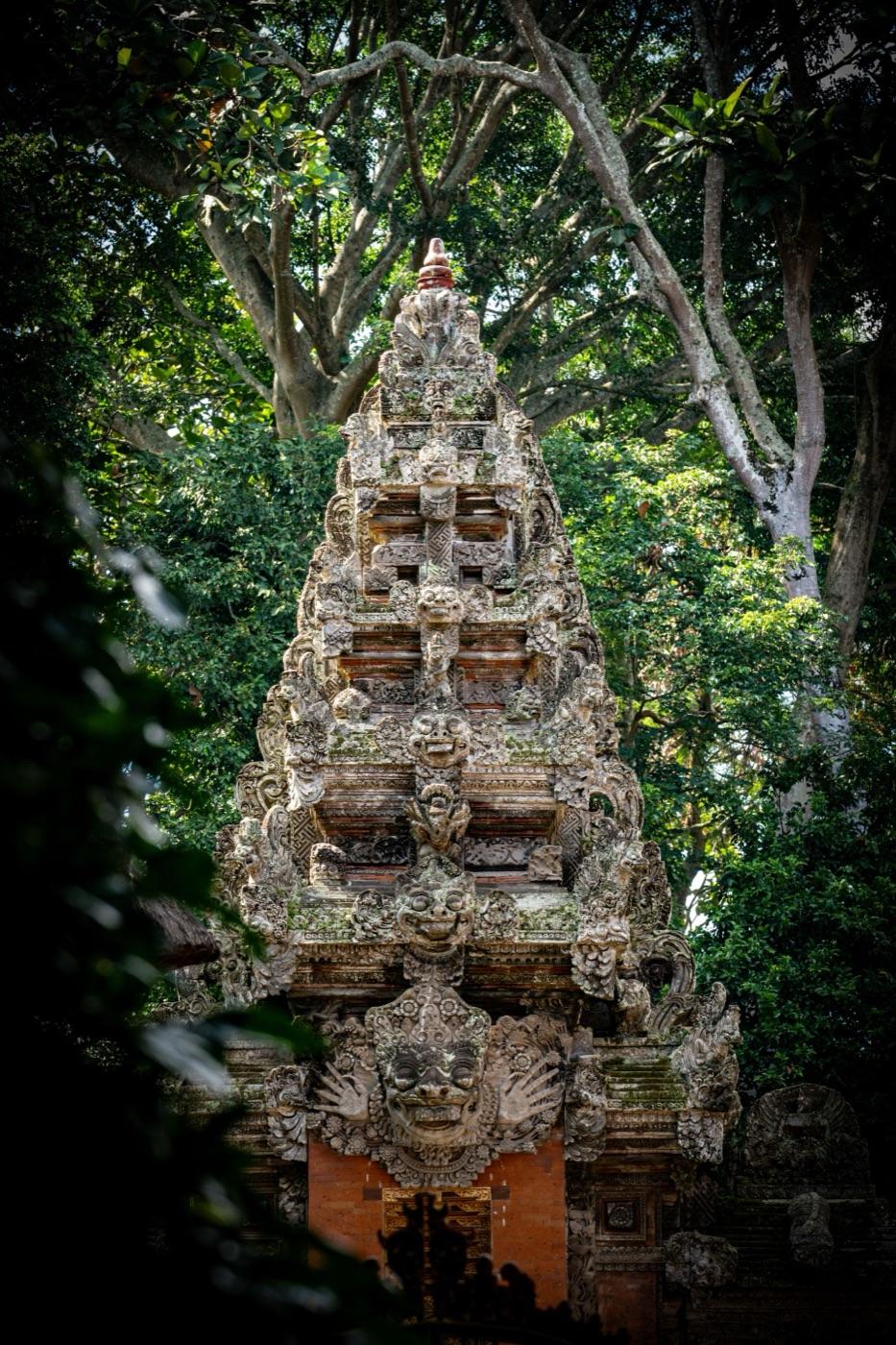
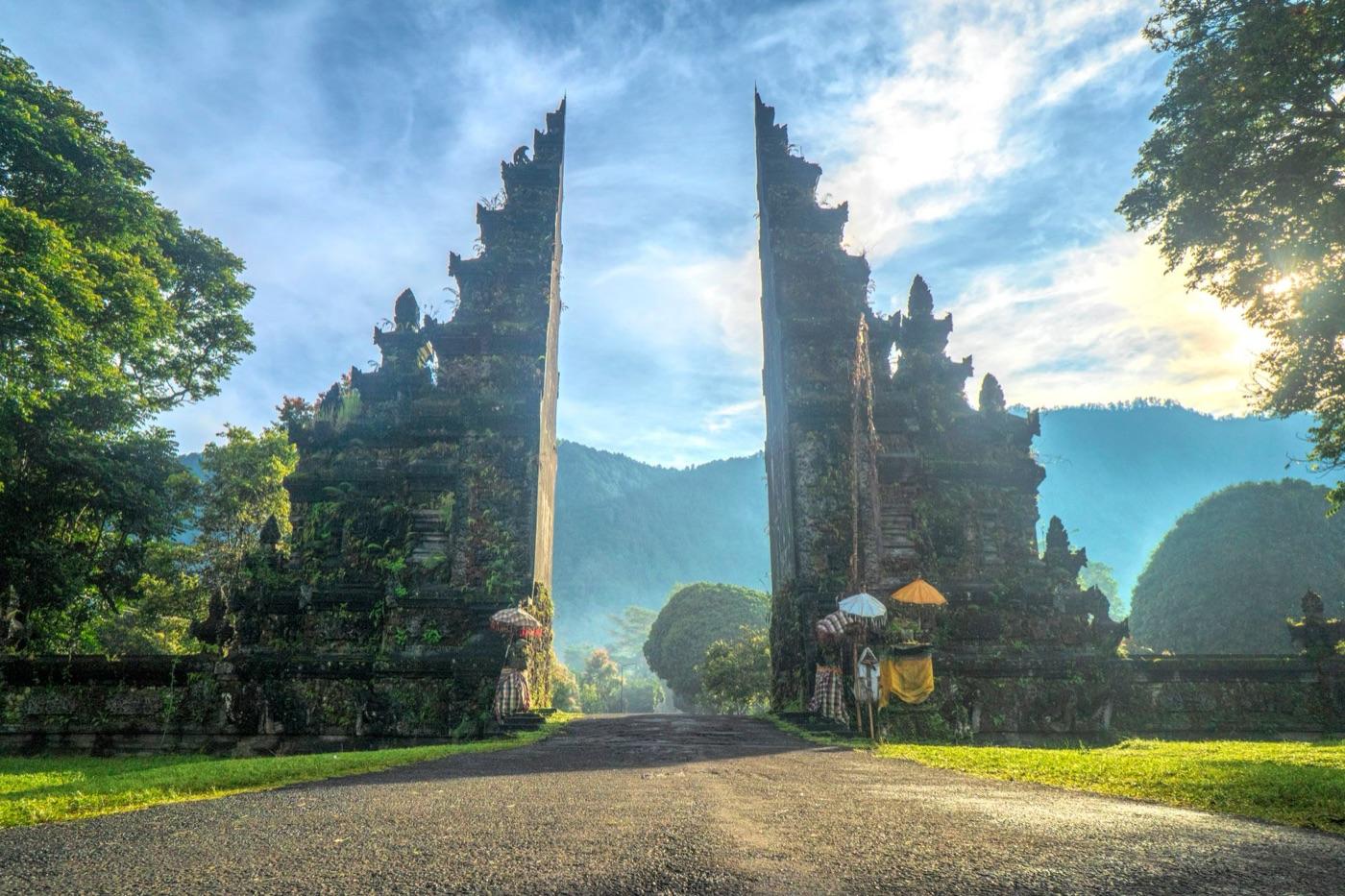
Bali has the largest Hindu population of anywhere outside India. Its religion is not performed for tourists — it is practised every single day, and you will see it whether you are looking or not.
- Canang sari — the small woven palm-leaf offering baskets placed on every doorstep, on shop counters, on the pavement outside a hotel, every single morning.
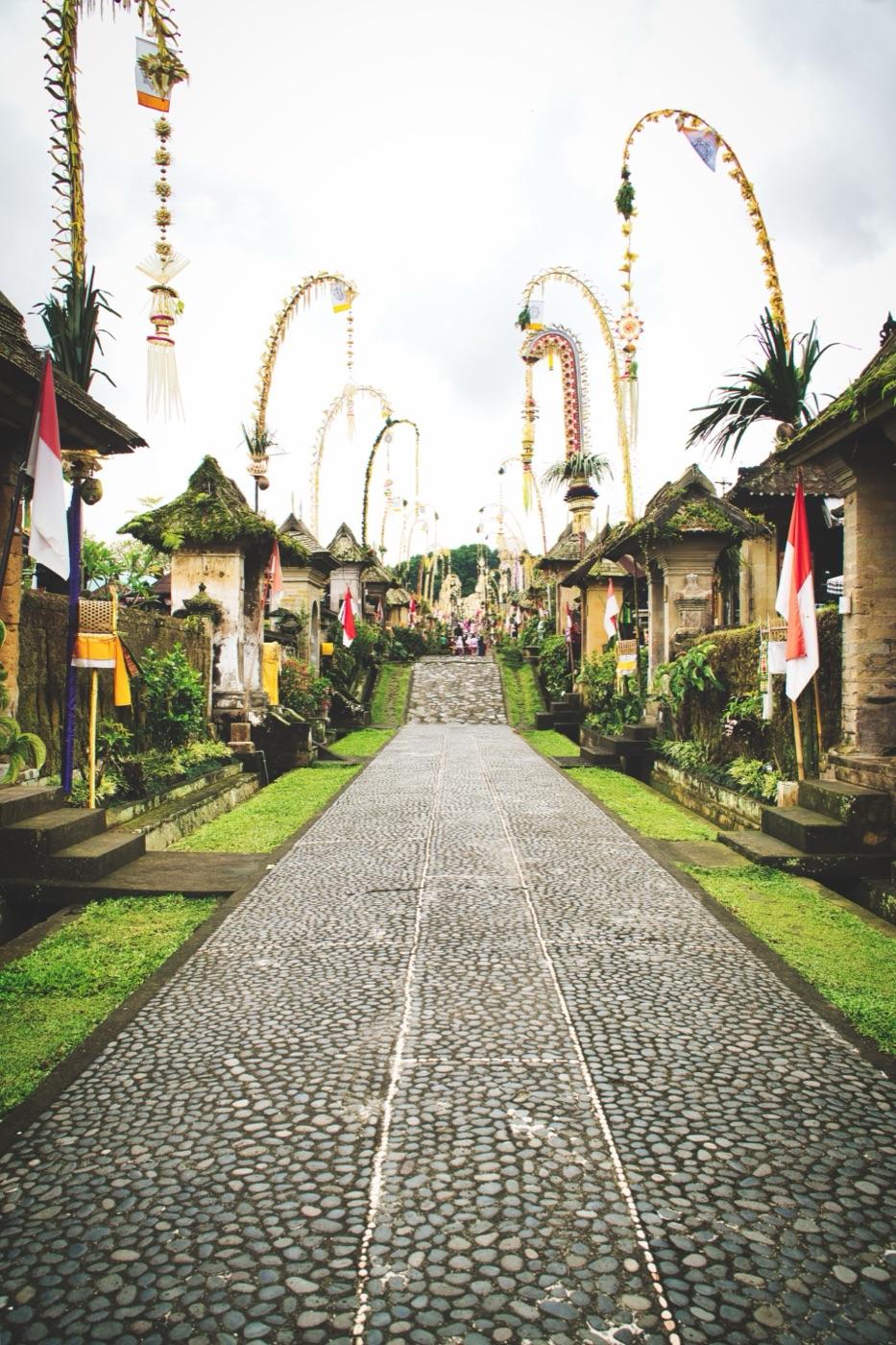
- Penjor — the tall bamboo poles decorated with flowers and coconut leaf that arch over roads during the Galungan and Kuningan festivals.
- Temple processions — spilling out into the street with gamelan music and women carrying towering fruit offerings on their heads.
- Kebaya and udeng — traditional dress still worn for ceremonies, weddings and temple visits, not as a costume but as an everyday garment for the right occasion.
Why does this matter to a traveller? Because you are not watching a show. You are standing inside a working culture, in the middle of an ordinary Tuesday, and it has been running continuously for centuries. In a world where so much has been flattened into a theme park, that still surprises people.
If you only have one cultural morning, make it a temple experience. Our spiritual tour to Tirta Empul takes you into a holy spring temple where a priest leads the purification ritual and explains what each part means — and there is more practical advice on Bali temple rules and etiquette before you go.
2. Volcanoes, black sand and beaches in a single afternoon
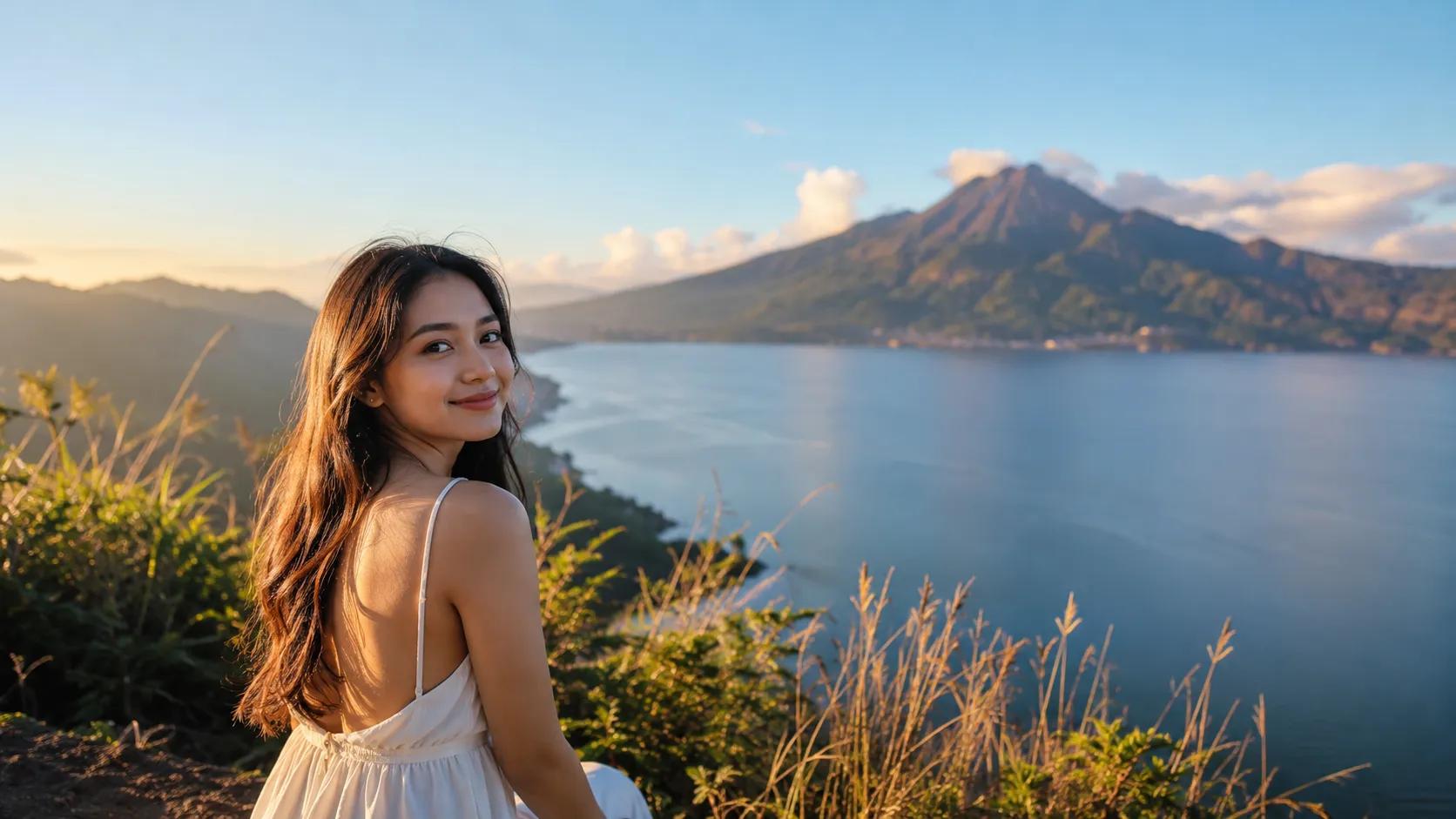
Bali sits on the Pacific Ring of Fire, and the landscape is the direct result. Two volcanoes are actively erupting: Mount Agung (3,031 m, Bali's highest and most sacred peak) and Mount Batur (1,717 m). Add black volcanic sand beaches, crater lakes at altitude, and a coastline that changes character every hour of the drive, and you get scenery that feels geological rather than decorative.
The genuinely useful part is not the photos. It is that the best scenery is accessible. A sunrise on the slopes of an active volcano is roughly a two-hour drive from Ubud or Canggu. A black sand beach with almost no other people on it is forty-five minutes further. A crater lake above the clouds is on the way.
This is where most island destinations fail: the good stuff is scattered and hard-won. In Bali it is concentrated.
Our jeep tour to Batur and Kintamani takes you up the caldera in a 4x4 to the sunrise point, across the black lava field, with breakfast cooked on geothermal steam at base camp — roughly three hours, no hiking required. If you want the walk instead, we compare the two honestly in Mount Batur sunrise hike vs jeep tour.
3. Rice terraces that are a World Heritage site, not a photo backdrop
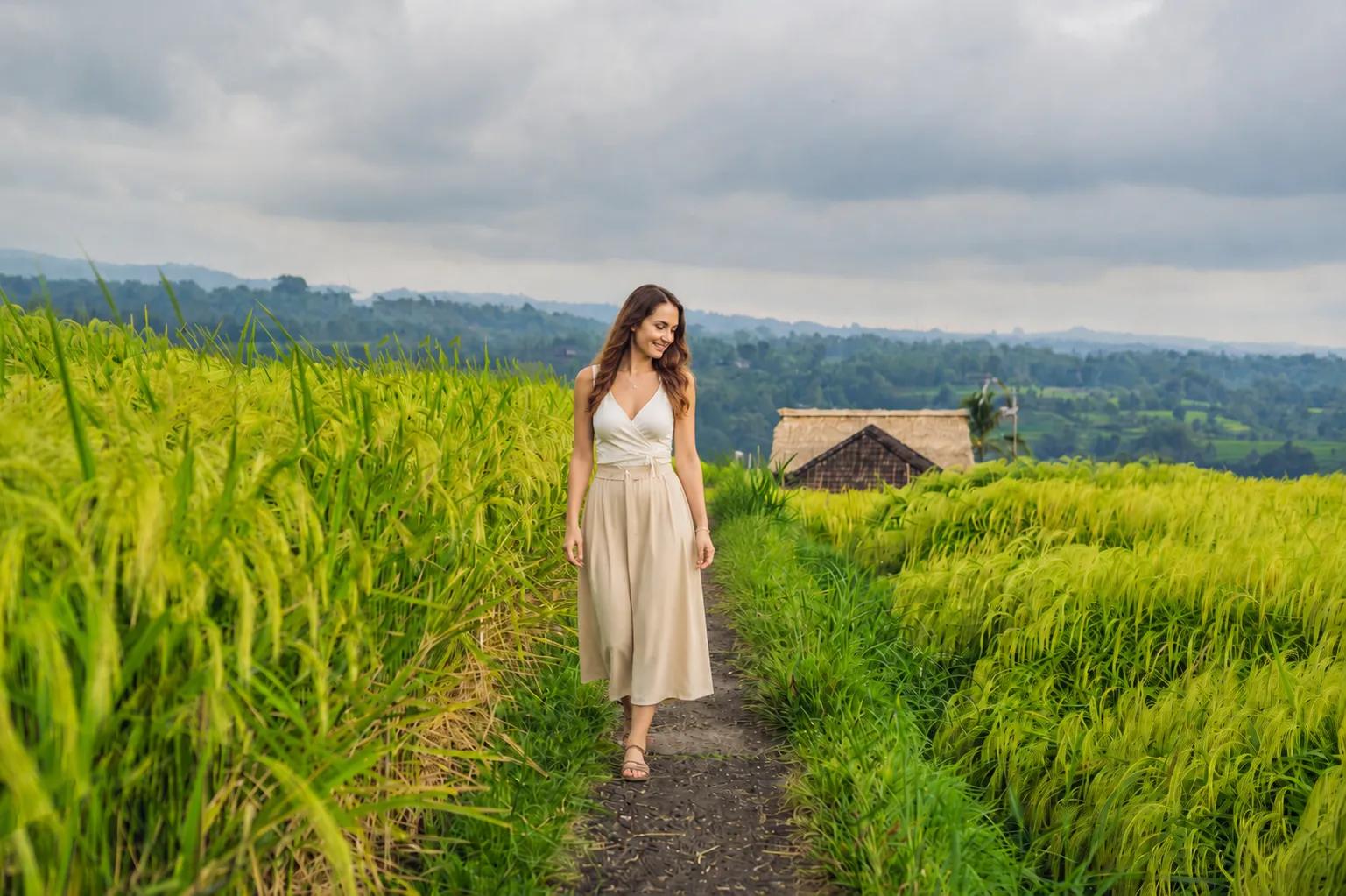
The Subak landscape — the ancient Balinese irrigation system that has been running since roughly the 9th century — was inscribed as a UNESCO World Heritage Site in 2012. It is a cooperative, spiritually guided network of canals, tunnels and water temples that keeps the paddies alive and the water flowing in the right order, village by village.
What makes this matter to a visitor is that the terraces are still farmed. You are not looking at a preserved set piece; you are walking through working fields, with farmers cutting, with water being redirected by a system that is centuries old and still doing exactly what it was designed to do.
Three places stand out:
- Jatiluwih (Tabanan) — the grand one. UNESCO-listed, wide, and far calmer than Tegallalang. Our rice terrace trekking package walks a two-hour guided route around it with a village lunch afterwards.
- Tegallalang (Ubud) — the iconic one, and the busiest. Arrive before 7 am for empty frames.
- Sidemen (east Bali) — the quiet one. Terraces, weaving villages, and almost no visitors.
4. The value arithmetic nobody believes until they see it
This is the least glamorous reason Bali is attractive, and probably the most decisive for anyone spending more than a week.
Compare what the same money buys:
| What you get in Bali | Rough cost | The equivalent at home (UK/US/EU average) |
|---|---|---|
| Private-pool villa with breakfast | Rp 700,000 – 1,800,000 per night | A luxury hotel room, often without breakfast |
| Excellent meal for two at a warung | Rp 120,000 – 300,000 | A mid-range restaurant main course |
| 90-minute massage at a spa | Rp 300,000 – 600,000 | A comparable treatment |
| Private driver for a full day | Rp 700,000 – 900,000 | A rideshare day that adds up fast |
| Full-day adventure (ATV, trek, jeep) | Rp 650,000 – 1,200,000 | A guided tour day, often double |
| Good coffee, fruit and a Bintang | Rp 40,000 – 80,000 | Four to six dollars |
This is not a budget destination dressed up as a mid-range one. Ubud's best restaurants and villa hotels are genuinely good, and the price of a private pool villa is a number that shocks people who assumed tropical island pricing would be punitive.
There is one catch, and honest guides should name it: high season inflates prices sharply, especially in July and August. The same villa that costs Rp 800,000 in March can cost Rp 2,500,000 in late July. See our month-by-month guide to the best time to visit if timing is flexible.
5. Food that punches far above the price
Bali is one of the few places where the cheapest food is also the best food. A warung warung serving nasi campur — a mound of rice with a rotating cast of small, sharp, intensely flavoured side dishes — can be better than a tasting menu and costs a few dollars.
What makes the food scene here unusual is the combination of a tourist market (high volume, high standards, competitive pricing) and a local one (the warung culture that has fed Balinese families for generations). You can eat at a plastic-chair roadside stall or a cliffside restaurant in Seminyak and have both be genuinely good.
Babi guling (suckling pig, the island's signature dish), babi betutu (slow-cooked pork in spice paste and banana leaf), nasi campur, sate lilit (minced fish satay wrapped on lemongrass), lawar and fresh young coconut are the ones to go for. Our Bali food guide goes deeper on the dishes and the warungs worth the detour.
6. It works for every kind of trip
Here is a reason Bali attracts an unusually broad audience: it genuinely serves couples, families, solo travellers, groups of friends, retirees and first-time visitors — not as a compromise, but properly.
- Couples get rice terrace sunsets, spa rituals, romantic swings and beach dinners without having to leave the resort area.
- Families with children get beaches, water parks, the Bali Swing (children under 5 enter free), cooking classes and temples that are visually fascinating for kids.
- Solo travellers get a density of activities and a social scene that makes it very hard to feel stuck.
- Groups of friends get the best value of anyone — a jeep takes up to three people, an ATV up to two, so the cost per head drops as the group grows.
- Retirees and long-stay guests get a low cost of living, a warm climate, good healthcare access in Denpasar and a huge community of other long-stayers.
There is very little "is this trip right for me?" filtering in Bali. That breadth is a large part of why visitor numbers keep climbing even as the island gets busier.
7. Warm water and surf for every level
The Indian Ocean is on the south coast and the Pacific side is to the north, so you get reliable breaks and swells in different seasons. Water temperature sits around 27–29°C most of the year, which means swimming, snorkelling and diving are pleasant in any month.
| Your level | Where to go | What it is like |
|---|---|---|
| Complete beginner | Kuta Beach, Sanur, Padang Padang | Sandy bottom, long mellow waves, plenty of board schools |
| Improving | Canggu (Echo Beach), Seminyak beach breaks | Slower foamies, but you will start reading the wave face |
| Intermediate | Uluwatu, Bingin, Balangan | Real reef breaks, consistent swell, big drop-ins |
| Advanced | Keramas, Mermaid, Secret Beach (Uluwatu) | Powerful, fast, hold-downs |
Beyond surf, the diving and snorkelling are outstanding: the USAT Liberty wreck at Tulamben is a shallow, easy dive; Manta Point off Nusa Penida has reliable manta rays; and the Blue Grotto on Nusa Penida is one of the best snorkelling spots in Indonesia. See our guide to the best beaches in Bali for the coastline, and Bali's hidden gems for the quieter corners.
8. Getting there is easier and cheaper than it looks
Denpasar (DPS) is served directly from Singapore, Kuala Lumpur, Bangkok, Hong Kong, Seoul, Tokyo, Sydney, Perth, Dubai and a long list of other cities. Flight times from most of Asia are between 3 and 5 hours, which is short enough that a long weekend is genuinely viable.
Three practical points that make it easier than it sounds:
- Arrival is cheap. A private transfer from DPS to Ubud or Canggu runs roughly Rp 300,000 – 500,000 and takes 60–90 minutes. There is no visa-on-arrival fee for most passports, but there is a tourist levy of Rp 150,000 per foreign visitor — see Bali visa and entry requirements.
- You do not need a car. Grab and Gojek work across the south, a private driver costs Rp 700,000–900,000 for a full day, and scooters are cheap if you are confident — but traffic is genuinely chaotic and most experienced visitors here advise against riding one without real experience. Our getting around Bali guide compares all four options honestly.
- Everything is close. Ubud to Kintamani is 50 minutes. Ubud to the airport is 90. Ubud to Uluwatu is 90. Because the distances are short, a week of day trips feels like a month of travel.
9. The welcome — and why people come back
The last thing on the list is the one that keeps the most visitors loyal.
Balinese hospitality is rooted in Tri Hita Karana — the idea of harmony with the divine, with other people and with nature. It shows up in small ways: a driver who stops to show you a temple he thinks you should see, a vendor who walks you to your hotel when you look lost, a stranger who asks where you are from and actually listens to the answer. It is not a service script. It is a worldview.
That is the thing that separates a holiday from a trip you think about for years. Visitors come for the volcanoes and the beach, but they come back for the people.
What pulls in which kind of traveller
| Traveller type | What makes Bali work for them | The one thing that will not work | The area to base in |
|---|---|---|---|
| First-timer | Everything in one place, short transfer times | Trying to see all of it in three days | Ubud |
| Couple | Spa, sunsets, romantic dining, private transfers | A packed group itinerary | Ubud or Seminyak |
| Family with kids | Beaches, swings, temples, cooking classes | Long drives with young children | Sanur or Ubud |
| Solo traveller | Dense activity calendar, easy socialising | Long solo scooter journeys on busy roads | Ubud or Canggu |
| Group of friends | Per-head cost drops fast with jeep and ATV packages | Splitting up over different interests | Canggu or Seminyak |
| Surfer | Year-round swell, cheap boards, no-stakes atmosphere | Expecting consistent barrels every session | Canggu or Uluwatu |
| Budget traveller | Warungs, homestays, public transport, group discounts | Expecting European prices in July | Kuta or Legian |
| Luxury traveller | Cliff villas, tasting menus, private guides | Expecting the south to be empty | Nusa Dua or Uluwatu |
| Culture traveller | Temples, ceremonies, workshops, festivals | Assuming everything is open to walk into | Ubud |
| Retirement or long stay | Low cost of living, warm climate, community | Needing to be near a hospital in a small village | Ubud or Sanur |
The ten attractions that do most of the attracting
Not everything on the island pulls people equally. These ten carry the weight for the vast majority of visitors, in the order most first-timers encounter them.
- Ubud and the rice terraces — the cultural and scenic centre of the island, and where most people base themselves.
- Mount Batur sunrise — either on foot in the dark or by 4x4 to the crater rim; it is the single most-booked half-day in Bali.
- Tirta Empul — the holy spring temple and purification ritual, and the most memorable culture most visitors ever take part in.
- Seminyak, Canggu and Petitenget — restaurants, beach clubs, shops and the fashionable side of Bali.
- Uluwatu and the Bukit Peninsula — clifftop temples, the Kecak fire dance, and some of the best waves on the island.
- Kuta and Legian — the classic budget beach strip, still busy, still convenient, still full of surf schools and cheap food.
- Sanur and Nusa Dua — the calm, family-friendly coast with a reef break and a quieter alternative.
- Nusa Penida — the day-trip island for the Kelingking Beach viewpoint, the Glass Bottom boat and manta rays.
- The waterfalls — Sekumpul in the north for scale, Tegenungan and Tibumana near Ubud for convenience, and the hidden ones in our secret waterfalls guide.
- The food and the warungs — the attraction nobody books in advance and everybody remembers.
Our 25 best things to do in Bali list covers the wider spread, and Bali adventure activities goes deep on the active side of the island.
What about Bali that does not work — the honest answer
Any guide that only lists upsides is a sales page, not a guide. A few things genuinely do not suit everyone, and it is better to know before you book than after.
- Traffic is real. Ubud in the middle of the day can take 45 minutes to cross. Plan around it instead of fighting it.
- Rain is possible in the dry season. Short, heavy, tropical downpours happen year-round; the wet season has them daily.
- The south is crowded. Seminyak and Canggu are busy, and the traffic out of them is worse than the traffic in them.
- Some areas are genuinely touristy. Kuta's souvenir strip and the Tegallalang entrance fee are not authenticity. Go further inland or to the north coast.
- Bali is not cheap at peak season. July and August prices can be three times February prices for the same room.
- Temples are not museums. You need covered shoulders and knees, you need to check the melukat restrictions, and you need permission before you photograph a ceremony.
Bali is safe to visit for the vast majority of travellers, and we cover the practical details in our safety guide, but nobody should tell you it is frictionless.
How to use this guide: build a trip around the pull
Now that you know what draws people here, use it. Most visitors arrive with a list of places they saw online. A better approach is to start from the experience they want.
- Want culture and calm? Base in Ubud. Do the Tirta Empul spiritual tour on day one, a rice terrace trek on day two, and leave the afternoons for temples, galleries and cafés.
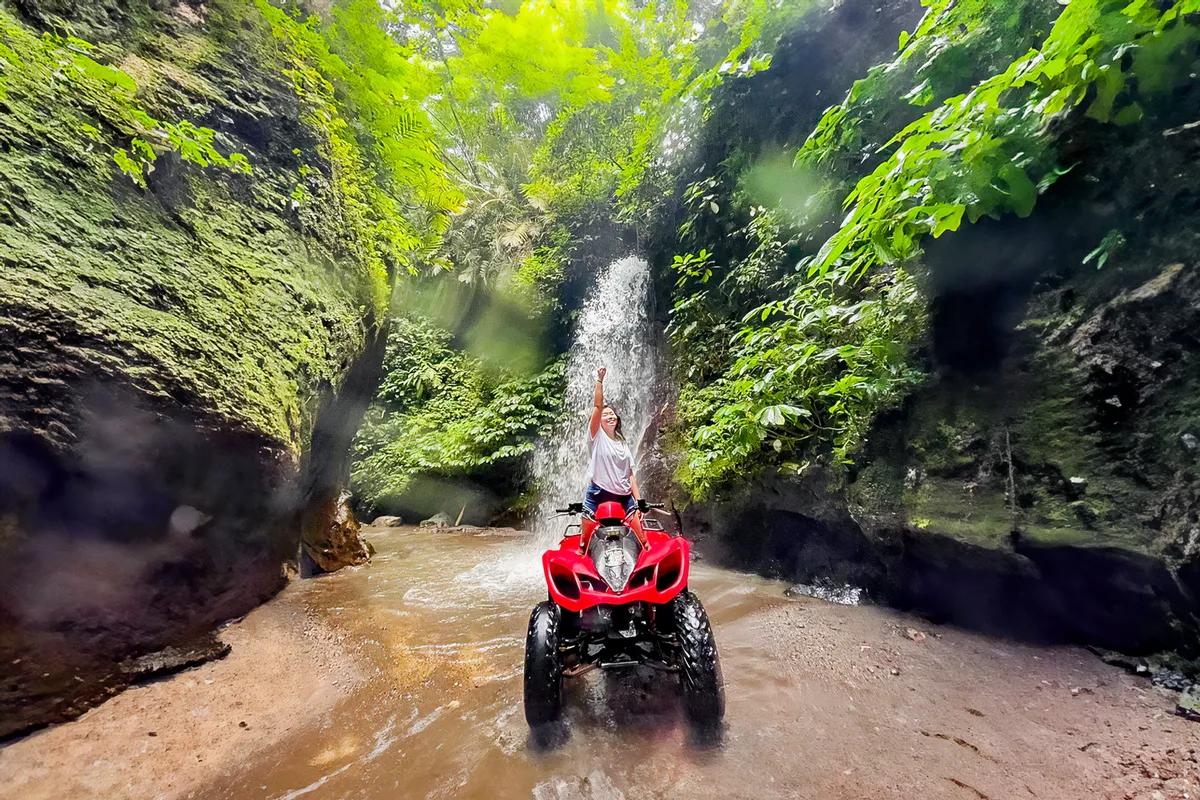
- Want adrenaline? Base in Ubud or Canggu. Sunrise jeep tour on day one, an ATV ride through the interior on day two, and the Bali Swing on the third.
- Want beaches and food? Base in Seminyak or Canggu. Beach mornings, restaurants afternoons, and a day trip south to Uluwatu.
- Want family time? Base in Sanur. Morning beach, afternoon pool, and one big adventure day that everyone will talk about for years.
If you are still deciding, our Bali itineraries by length page maps out what a 3-day, 4-day, 5-day and 7-day trip actually looks like, and itineraries for couples and for families handle those two cases in detail.
Frequently asked questions
What is the main reason people visit Bali?
It is rarely one thing. The most common answer is a combination of beautiful beaches, a living Hindu culture and good value for money — with the culture and the landscape usually doing more work than the beaches. Bali's density is the point: a visitor can have a surf morning, a temple afternoon and a good meal at night without changing hotels.
What makes Bali different from other island destinations?
Three things, mostly. First, it has a genuine living culture rather than a preserved one — Hinduism is practised daily in public. Second, it has active volcanoes and black sand beaches, which is a landscape type you do not get on most tropical islands. Third, the cost of living is low while the standard of the food, villas and guides is not, so a comfortable holiday costs far less than the same comfort elsewhere.
Is Bali the most visited island in Indonesia?
It is by a wide margin. Bali receives well over six million international visitors a year, which is more than the rest of Indonesia combined, and it is the only Indonesian island with an international airport serving direct long-haul flights from Europe, Australia and the Middle East. Java is larger and more populous, but Bali is the island that international travellers mean when they say Indonesia.
How many days do you need to see the main attractions in Bali?
Five to seven days for a first trip. Three days gives you Ubud, the rice terraces and one adventure. Five days adds the south coast and a beach day. Seven days lets you add Nusa Penida or a second adventure without turning the week into a race. More than nine days is where it gets properly relaxed, and at that point you should consider splitting the stay across two areas rather than adding more days.
Which parts of Bali are worth an overnight stay rather than a day trip?
Ubud is the one everybody should stay in. Beyond that, the Bukit Peninsula (Uluwatu, Bingin) rewards an overnight for the sunset cliffs, Sanur rewards one for the calm, and Sidemen rewards one for the quiet. Kintamani and the north coast work fine as day trips, though the north gets a long drive and is worth two days if you go at all.
Is Bali still good for travellers after the new tourism rules?
Yes, with one honest caveat. The 2026 planning rules — a hotel construction moratorium, the permanent tourist levy and tighter zoning — mean the famous, heavily built-up parts of the south will get busier rather than more interesting. What that does is push demand toward the parts that were always better: the rice terraces, the villages, the waterfalls and the quiet coasts. If anything, the rules make the non-obvious Bali more valuable to see. Our full guide to the master plan covers the confirmed changes and what they mean in practice.
What should I book first when my dates are fixed?
Book the fixed-start activities first: the sunrise jeep tour and the rice terrace trek have early-morning start times and limited vehicle capacity. ATV rides and the swing are much easier — they can usually be booked up to two hours before the start time. If you are travelling in July or August, do it even earlier, because that is when the island is at its busiest and slots go first.
Is Bali suitable for a first solo trip?
Very much so. The activity density makes it easy to meet people, and the cost of travelling alone is lower than almost anywhere comparable, because a jeep or an ATV takes more than one person. The main thing to avoid is a long solo scooter journey on a busy road — take a driver or a Grab instead.
Tell us what drew you to Bali
Tell us which of the nine forces above is the reason you are coming — the culture, the volcanoes, the surf, the food, the value, or just the need for a break — along with your dates and how many of you are travelling. We will build the days around it, confirm the activity slots and the transfers in one message, and hold them until you confirm.
Message us on WhatsApp at +62 851-7516-3718 — or book online. or browse the activities first and book directly online.
Tours to try in Bali
The tours we run ourselves, straight from the catalogue. Pay on arrival, free cancellation, and a WhatsApp reply within the hour.