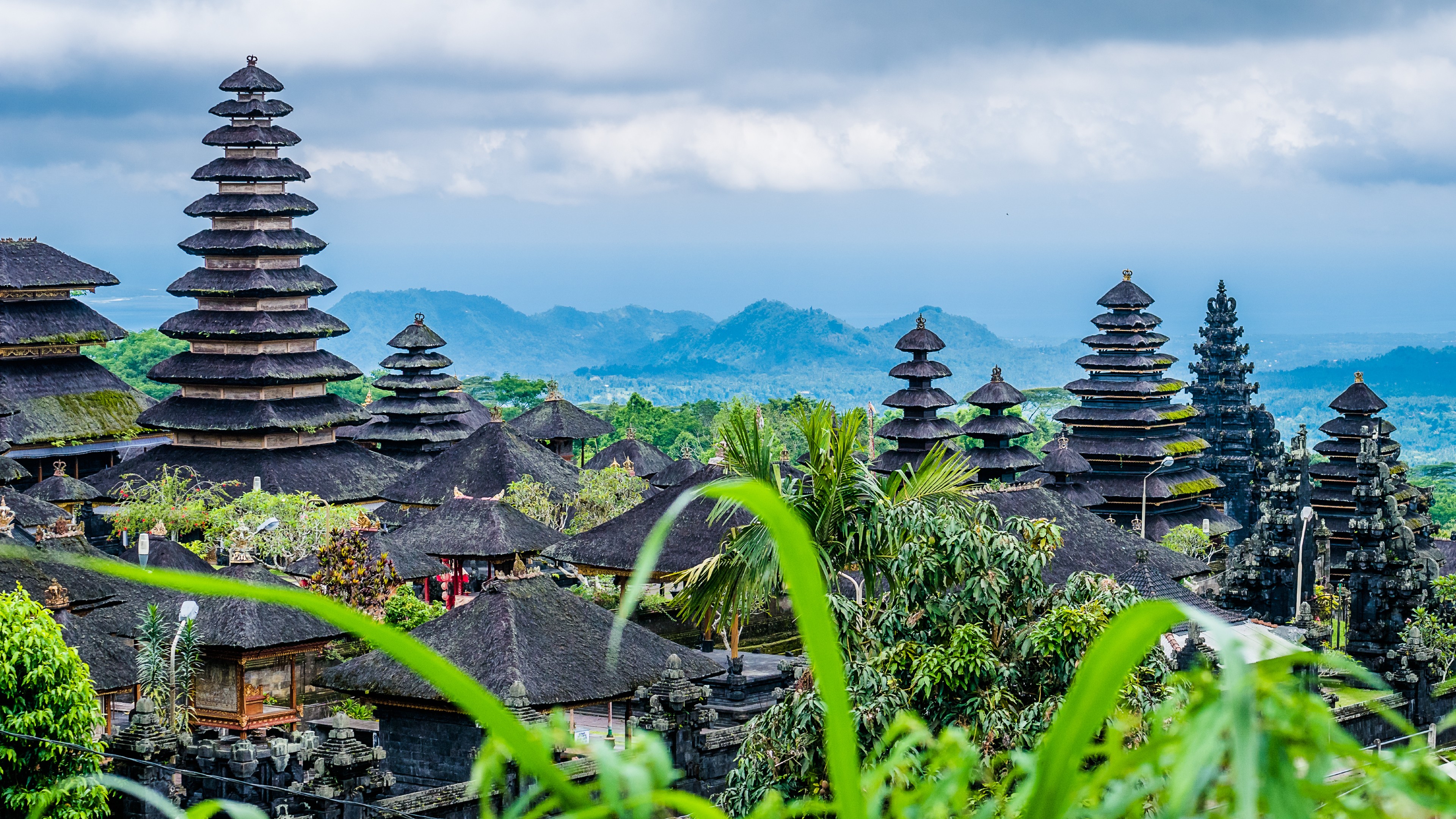
Best Time to Visit Bali 2026: A Month-by-Month Guide to Weather, Crowds and What to Book
Short answer: the best overall months to visit Bali are May, June, September and October — dry, warm and not at the peak of the crowds. July and August have the most reliable weather but the most visitors, and the rainiest stretch is January to March. November is the interesting one: the rains have not settled in properly yet, the island is still green, and traffic is still soft compared with what December brings.
Bali has two seasons, not four, and the monsoon decides which one you get. This guide walks through all twelve months of 2026 — what the weather does, how busy the island is, and which of the adventures we run is at its best that month.
Quick reference: Bali month by month
| Month | Rain (approx.) | Crowds | Weather | Best for |
|---|---|---|---|---|
| January | ~300 mm | Very high | Wet, humid, heavy showers | Temple tours, rice terrace treks, fewer queues |
| February | ~275 mm | High | Wettest stretch | Indoor and temple days, quiet Ubud |
| March | ~215 mm | Medium | Showers, still green | Rice terraces, temple tours, fewer queues |
| April | ~90 mm | Medium | Dry season starts | Everything — the first month of the good weather |
| May | ~85 mm | Medium | Dry, comfortable | ATV, rice terrace trek, the best all-round month |
| June | ~60 mm | Medium-high | Dry, low humidity | All activities, plus the rainy-season-free skies |
| July | ~45 mm | Peak | Dry, hot, clear | Sunrise jeep tour, everything outdoors |
| August | ~30 mm | Peak | Driest, hottest | Jeep tour, swing, waterfall season |
| September | ~45 mm | Medium-high | Dry, still warm | Everything, fewer people than August |
| October | ~85 mm | Medium | Dry with hints of rain | ATV, swing, jeep, the shoulder month |
| November | ~140 mm | Low-medium | Rains arriving, still warm | Temple tour, rice terrace trek, quiet island |
| December | ~250 mm | Very high | Wet season starts, festive | Christmas and New Year travel, temple tours |
Rainfall figures are the typical monthly averages for the Denpasar and south Bali area; the western and northern coasts receive noticeably more, and any single year will differ.
The two seasons, and why they exist
Bali's climate is driven by the monsoon, which reverses twice a year.
From April to October the prevailing winds come from the Australian desert. They arrive dry, so the island gets consistent sun, lower humidity and reliable afternoons. From November to March the winds reverse and come from the Asian continent, carrying moisture — the same air mass that feeds the monsoon in Indonesia. That is when the rain comes, and why it comes in heavy, short bursts rather than gentle all-day drizzle.
Two details that surprise people:
- "Wet season" does not mean "no sun". Most days still have a bright morning. The rain usually falls in the late afternoon or evening, so a morning activity is often unaffected. This is why a sunrise jeep tour still runs in the wet months, and why a temple tour in the afternoon is the one to avoid in January.
- The south is drier than the north. Denpasar, Kuta, Seminyak and Nusa Dua sit in the rain shadow of the central mountain range. Ubud, Sidemen, Lovina and the north-east coast get noticeably more rain, and the mountains themselves catch the most.
Month by month
January and February — the wet peak, and the quietest version of Bali
This is the wettest part of the year, and the island is at its greenest. Rain is heavy but usually short, and the mornings are often clear. Crowds are highest in the first two or three weeks of January because of Christmas and New Year travel, then drop sharply through February.
It suits travellers who want the landscape at its most spectacular and who would rather deal with rain than queues. It is the best month of the year for the rice terrace trek, where the paddies are full of water, and for the Tirta Empul temple tour, which runs in any weather. The ATV rides still run — mud is part of the ride — but expect tracks to close after very heavy rain.
March and April — the shoulder that turns green
March keeps the wet-season feel but the rain tapers off, and by late April the dry season has properly started. This is the sweet spot most people never get: the island is still green while the crowds have already thinned out. April is the first month you can book the whole adventure list without a rain plan.
May and June — the best all-round months
Warm, dry, comfortable humidity, and the crowds have not peaked yet. If you have a choice of two months, make it May or June. Both are excellent for every activity we run: the ATV tracks are firm under the wheels instead of mud, the Mount Batur jeep tour has its best chance of a clear sunrise, the rice terraces are green with only a thin film of water, and the Bali Swing park is open all day.
July and August — the most reliable weather and the most people
The driest and sunniest stretch, and also the busiest: Australian and European school holidays, plus the northern-hemisphere summer, all land here. If you want guaranteed weather and do not mind the queues, this is the safest bet. If you want the same weather with fewer people, go late August or September.
The one thing that gets better in these months is the volcano. The chance of a clear sunrise over Mount Batur is highest from roughly June to September.
September and October — the best shoulder of the year
September is dry, warm and noticeably calmer than August. October stays reliably dry through most of the month before the first serious rains of the season arrive in the last week or two. For most people, October is the best compromise of the year: dry enough to plan a full adventure list, and a fraction of the July crowds.
November — the month that surprises people
November is the shoulder between the two seasons. The rains have started but have not yet become the daily pattern of January; the island is still green from October's growth; the traffic has not yet thickened for the Christmas period. It is the month we would pick for our own trip, and the one we recommend to anyone who wants the island to itself.
Which month for which activity
| Adventure | Best months | Why |
|---|---|---|
| ATV rides | April to October | Dry tracks are faster and dustier; in the wet season the same ride is muddier and tracks can close after heavy rain |
| Jeep tour to Mount Batur | June to September | The volcano is under cloud in the wet season, so the sunrise — the whole point of the trip — is often a wash |
| Rice terrace trekking | February to June | The terraces are fullest of water in the wet months and most photogenic; the walk is muddier but the colour is better |
| Bali Swing | May to September | The swings are closed for wind and heavy rain, so the dry season gives you the best odds of the park running |
| Tirta Empul temple tour | Any month | The ceremony runs in every season; it is the safest booking to make in the wet months |
When Bali is busiest — and when it is quiet
The island has two peaks, both outside the weather peak:
- July and August — school holidays from Australia, Europe and Asia.
- The second half of December and the first week of January — Christmas, New Year and the island-wide festivities around them.
Quieter periods: February after the first week, March, April, and November. Two events move the whole island rather than just a beach:
- Nyepi, the Balinese Day of Silence, closes the airport and stops essentially all movement on the island for around 24 hours. Plan to be in Bali for it deliberately, not by accident.
- Galungan and Kuningan, which fall twice a year about 210 days apart, when temples are busiest and the streets are lined with penjor bamboo poles.
When to book, whatever month you pick
- Book first: the jeep sunrise tour (one departure, limited vehicles), the rice terrace trek (small groups by design), and any private driver for a half-day or full day.
- Book a few days ahead: the temple tour, especially on days a ceremony is expected.
- Same-day is normal: the ATV rides can be booked up to two hours before the start time, so they are the easy one to fit around the rest of your trip.
- In July, August and late December, book earlier than you think you need to. In February, March and November you can be much more spontaneous.
Frequently asked questions
What is the best month to visit Bali?
For most people, May, June, September and October. They are dry, reliably sunny and not at the peak of the crowds. July and August have the most dependable weather but the most visitors. If you want Bali at its greenest and quietest, February and March are worth considering despite the rain.
Which month has the least rain in Bali?
August is the driest month, followed by July and September. The wettest stretch runs from December to March, with January and February the peak of it.
Can I do ATV rides in the rainy season?
Yes. The wet season makes the same tracks muddier and heavier, which most riders actually enjoy, but after very heavy rain some tracks close for safety — ask the guide for the track status that morning. The underground tunnel and cave sections of the Kuber and Jambe Asri tracks are enclosed, so you stay out of the worst of the rain.
Is Bali crowded in December?
Very. The second half of December and the first days of January are the busiest period of the year, with the island busiest around Christmas and New Year. Late December is also when the rains are starting in earnest.
What is the best month for a honeymoon or a couple's trip?
May, June and September. The weather is reliable, the afternoons are good for the romantic swing and a tandem ATV ride, and the temple tour at Tirta Empul works as a half-day in any month.
Is November a good month to visit Bali?
Yes, and it is the most underrated one. The rains have just started, the island is still green, the crowds have not built up for Christmas, and the weather is still warm. It is the best month for the temple tour and the rice terrace trek.
How many days do I need in Bali?
Three days is the minimum that is worth the flight, and five to seven is where the island stops feeling rushed. With three days, pick one adventure, one temple or culture day, and one beach or town day. With five or more, you can fit the jeep sunrise, a jungle adventure and a temple tour without doubling up on any of them.
What happens on Nyepi?
The entire island stops. The airport closes, roads are closed, nobody moves for around 24 hours, and even the airport staff stay home. It is a genuinely remarkable thing to be on the island for — and it means no activities, no driving and no flights on that day, so book around it carefully.
Plan the trip around the month you picked
Tell us your dates and how many people are coming, and we will tell you honestly which of the five adventures suits that month — and which one to book first, because it is the one that fills up. You can also book directly and confirm the slot on WhatsApp at +62 851-7516-3718.
- ATV rides — three tracks around Ubud and Gianyar
- Jeep tour to Mount Batur — sunrise over the volcano
- Rice terrace trekking at Jatiluwih — a two-hour guided walk
- Bali Swing — nine swings above Ubud
- Tirta Empul spiritual tour — a purification ceremony at the holy spring
Related reading: which Bali adventure to book, is Bali safe to visit, and our ATV rainy season guide.