the best Bali trip is scheduled, not collected. Pick your months first — April, May, June and September are the sweet spot, July and August are the most reliable weather and the most crowded, February is the quietest month of the year — then start in Ubud, work outwards in one direction instead of zig-zagging, and book the two activities with fixed early-morning start times before you book anything else. Potato Bali Tours turns that plan into confirmed slots and transfers in one message.
Most Bali itineraries fail for the same reason: they are lists of places rather than schedules. "Tegalalang, Tirta Empul, Uluwatu, Ubud, Batur" is a set of coordinates. It is not a plan. On paper it is a wonderful week; in practice it is five hours of traffic and three rushed temples.
This guide is the scheduling layer. It answers four questions in order: which months suit which kind of trip, where you should start when you land, what order to work through the areas in, and what to book first. It builds on our guides to the most visited areas in Bali, the most popular activities and the best time to visit month by month — this is the part that turns those into a real 2027 schedule.
Start here: your first 24 hours
Where a trip begins decides how the rest of it feels, and the first decision is the transfer from the airport.
| Where you are staying | Transfer from Ngurah Rai | What it feels like |
|---|---|---|
| Ubud | 75–90 minutes | Quiet, inland, the best base for the first two nights |
| Seminyak / Canggu | 30–60 minutes | Straight into the busy, social part of the island |
| Sanur | 45–60 minutes | Flat, calm, family-friendly, easy from the airport |
| Nusa Dua | 30–45 minutes | Resort zone, quietest water, nothing to walk to |
The default recommendation for a first trip: land, and stay in Ubud for the first two nights. Ubud is the least tiring place to arrive, it is the closest thing the island has to a hub for the inland half of the map, and it means your first two mornings are spent in a place that does not fight you.
Day one should be almost empty. Land, check in, walk the Campuhan Ridge at sunset, eat somewhere good. The temptation is to schedule a temple or a waterfall because you have already paid for the day — but you arrive tired, the traffic is worst between 16:00 and 19:30, and a bad first day sets the tone for the week.
Day two is your first real day, and it should be inland. Temple in the morning, rice terrace or a trek in the afternoon, nothing that requires a long transfer. You want to learn how Bali's traffic works before you depend on it.
Do not schedule anything with a fixed start time on the arrival day. The Batur sunrise jeep picks up at 02:00. If your flight lands at 21:00, that is a very bad idea, however excited you are.
Three scheduling rules that decide your trip
Before any month-by-month planning, these three rules explain why some Bali itineraries feel effortless and others feel like a commute with sightseeing attached.
Rule 1: Work in a line, not a zigzag
Bali's distances are short, which makes people assume every day is a fresh expedition. It is not. Ubud to Kuta is 45–60 minutes in traffic. Ubud to Canggu is 75–90. Ubud to Uluwatu is 90. Ubud to Munduk is two and a half to three hours.
The rule: pick a direction and keep going. The two standard shapes are:
- Inland then coast (most first-timers): Ubud → Sidemen or the east coast → Seminyak and Canggu → Uluwatu → Sanur for the last night.
- North to south (the good-weather crowd): Munduk and the north → Jatiluwih and Tabanan → Ubud → Uluwatu → Seminyak and Canggu → Sanur or the airport.
Either way, move once or twice, not five times. Every extra base change costs a morning and an evening in a car. The area-by-area guide has the detail on which areas deserve an overnight and which are fine as day trips.
Rule 2: Never book two fixed-start activities on the same day
Some activities do not wait for you. They start at a fixed time whether you are there or not:
| Activity | Start time | Length |
|---|---|---|
| Mount Batur sunrise jeep | Around 02:00 pickup, sunrise at 05:30 | About 3 hours |
| Rice terrace trekking | 07:00–09:00 start windows | 2 hours |
| Tirta Empul spiritual tour | Morning start, half-day commitment | About 4 hours |
| ATV rides | Morning and afternoon slots, but the slot is fixed | 2–3 hours |
| Nusa Penida day trip | Boat from Sanur, usually 07:30–08:00 | Full day |
Two of those on one day is only possible if they are within 90 minutes of each other. A Batur jeep tour and a Nusa Penida trip are not two fixed starts — they are two different days.
Rule 3: Leave one day completely free
This is the rule people skip, and it is the one that makes the other six days work.
Bali is a place where the best moments are unplanned: the temple nobody told you about, the warung with six tables, the beach that emptied out after the tour buses left, the café that turned out to be your favourite stop of the week. A fully packed itinerary deletes all of them.
One free day per week. Not a "light" day — a genuinely unscheduled one. This is also your weather buffer, because in the wet season an afternoon plan can and will be rained out.
The 12-month schedule: which month suits which trip
This is the decision table. It is about who should travel in which month, not about what is happening — for the festival calendar, read our 2027 events planner alongside it.
| Month | Best for | Base yourself in | Signature adventure | Crowd and price |
|---|---|---|---|---|
| January | Galungan and Kuningan (13th and 23rd); temple culture | Ubud, or Sidemen for the festival | Village temple visit during Galungan | Very busy from mid-month; Christmas extras still running |
| February | Quiet, green, cheap; the wettest stretch | Ubud or Sanur | Temple tour and a spa day | The quietest month of the year |
| March | Green landscapes, Nyepi on 8 March, Eid al-Fitr mid-month | Ubud | Rice terrace trek through flooded paddies | Medium, but the first half is calm |
| April | The dry season starts; best value | Ubud, then the south | Everything starts working | Medium; the first month of good weather |
| May | The best all-round month; Easter and school holidays | Ubud | Rice terrace trek, then an ATV | Medium; busy on the western coast |
| June | Bali Arts Festival begins; low humidity | Ubud and Denpasar | Kecak and festival performances | Medium-high; the festival programme is published late |
| July | Peak dry season, most reliable weather | Ubud, then Uluwatu | Sunrise jeep tour at Mount Batur | Peak — book everything well ahead |
| August | Driest month; Galungan (11th), Kuningan (21st), Independence Day (17th) | Ubud, then the south | Waterfall season at full flow | Peak; three events in three weeks |
| September | The best shoulder month | Ubud and the south | Everything, with fewer people | Medium-high but noticeably calmer than August |
| October | Dry with the first serious rains late in the month | Ubud and the coast | An ATV through the mud | Medium; the weather turns at month end |
| November | The rains arrive; the island stays green and quiet | Ubud or Sidemen | Rice terrace trek in the wet-green landscape | Low-medium; the most underrated month |
| December | Wet season starts; the festive peak | Seminyak and Canggu | A sunset beach day | Very high; the hardest month to find a room |
Three shortcuts if you want the answer quickly:
- Best overall months: April, May, June and September.
- Best month for a first visit: May — dry, everything open, not yet at peak prices.
- Best month for the lowest prices and the most space: February, with the caveat that it is the wettest.
Two things to watch in March 2027. Nyepi falls on 8 March, when the island stops for around 24 hours — airport closed, no flights, no activities. Eid al-Fitr is expected in mid-March, on dates set by the lunar calendar. Two major closures within days of each other means the first half of March 2027 is a trap for anyone booking around the dates rather than around the week. Land on the 12th or later, or come the week after.
The area schedule: which areas, in what order
Once you have picked your month, this is the sequence that works.
| Nights | Where | Why here | What to schedule |
|---|---|---|---|
| 2–3 | Ubud | The hub. Everything inland is within an hour | Temple tour, Campuhan Ridge, the Monkey Forest early, an art or cooking afternoon |
| 0–2 | Sidemen / Padangbai (optional) | The quiet east, if you have the days | A village stay, a weaving workshop, a dive day |
| 2–3 | Seminyak / Canggu | The social, restaurant and beach half | Beach morning, surf, cafés, the swing, a spa |
| 1–2 | Uluwatu / the Bukit | Cliffs, surf, the sunset temples | Uluwatu Temple and the Kecak at sunset, a Bingin or Balangan surf session |
| 1 | Sanur or Nusa Dua | A calm last night and an easy exit | Sanur market, a reef break, a relaxed final dinner |
The north (Munduk, Lovina, West Bali National Park) is a two-day detour, not a day trip. It is two and a half to three hours each way. If you want the waterfalls and the lake views, give it two nights and go there deliberately — read our hidden gems guide for what is worth the drive.
If you only have four or five days, drop the north entirely and do this: two nights Ubud, two nights Seminyak or Canggu, one night near the airport. That is the whole short itinerary.
Popular places, scheduled: the best time to be there
Half the difference between a good Bali trip and a great one is arriving at the right hour. These are the places people want, and when they are actually worth it.
| Place | Best time | Why | Time needed |
|---|---|---|---|
| Tegalalang rice terrace | Before 07:00 | The crowds arrive at 08:00 and the light is better before them | 1–1.5 hrs |
| Jatiluwih rice terraces | 08:00–10:00 | Morning light on the flooded paddies, and the trek starts on schedule | 2 hrs |
| Tirta Empul | Before 09:00 | The purification queue triples after mid-morning | 2–3 hrs |
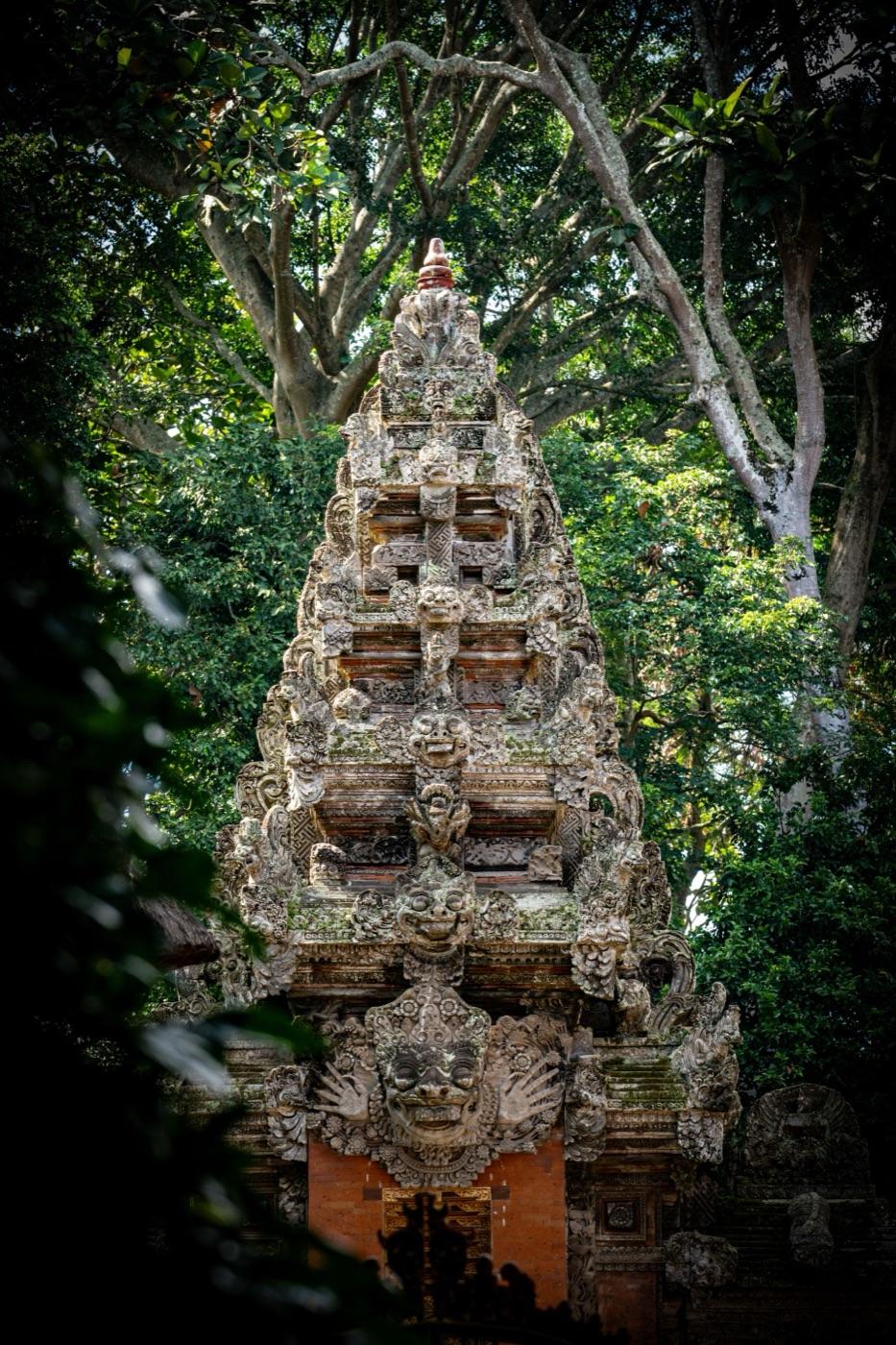
| Sacred Monkey Forest | At opening, 08:00 | Cool, quiet, and the macaques are more active early | 1 hr |
| Campuhan Ridge Walk | Late afternoon, 16:00–17:30 | Cooler, and it is a golden-hour walk | 1 hr |
| Ubud Palace and Art Market | 08:00–10:00 | The market is a market again after 10:00 | 1.5 hrs |
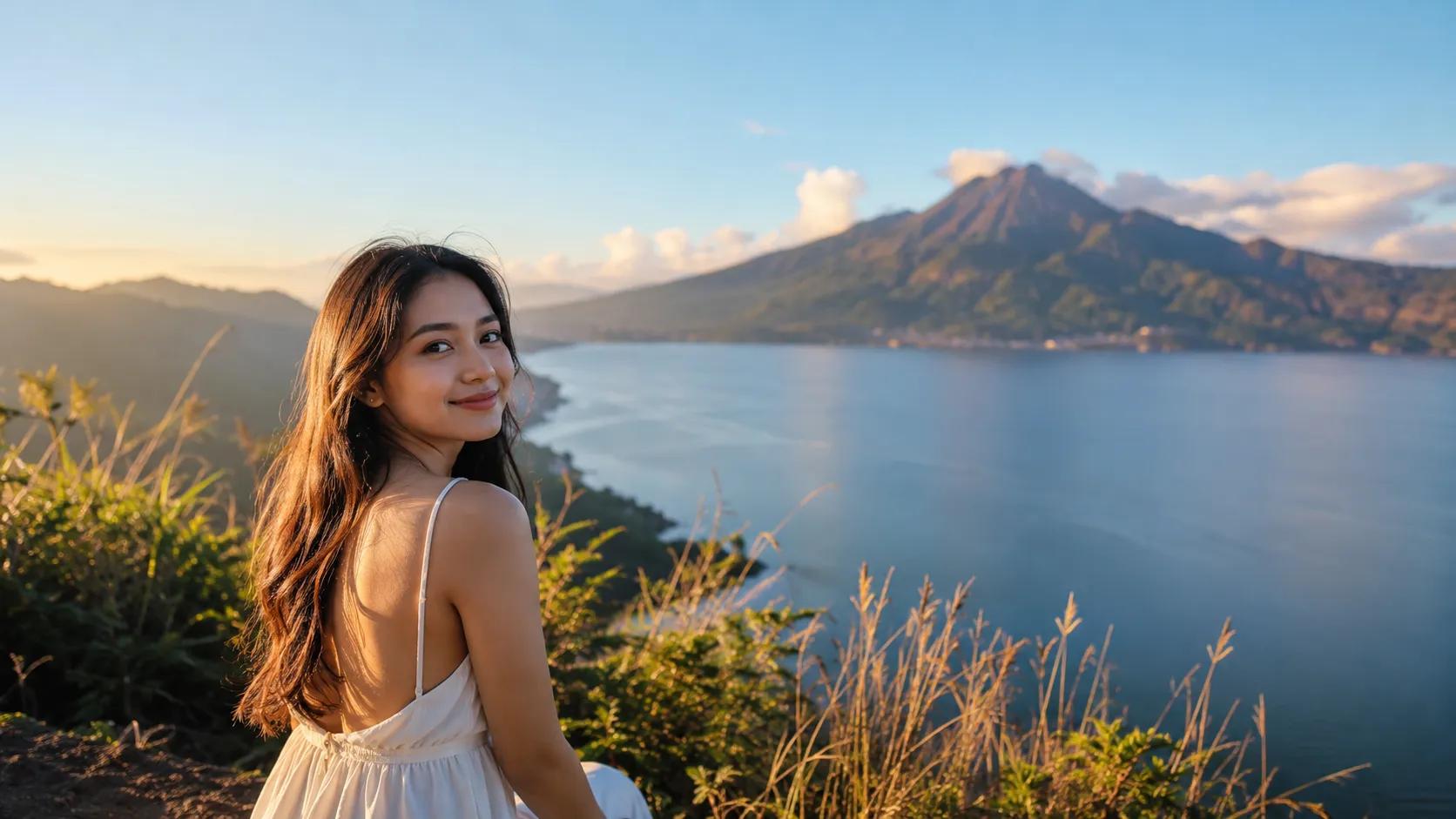
| Mount Batur summit | 05:30 | Sunrise is the whole point, and the weather is most reliable in the dry season | 3 hrs |
| Sidemen valley | Any weekday | At weekends the village fills with day-trippers from Ubud | Half a day |
| Munduk waterfalls | Before 09:00 | The paths get slippery and busy after that | 3–4 hrs |
| Sekumpul waterfall | Early morning, ideally a weekday | A 45-minute jungle walk in; better before the heat | 4–5 hrs |
| Uluwatu Temple | 16:30–18:00 | To catch the light on the cliff before the Kecak dance | 2 hrs |
| Kecak fire dance at Uluwatu | 18:00 sunset | The performance is built around the sunset | 1 hr |
| Sanur beach market | 06:30–08:00 | The best produce, and the beach is empty | 1 hr |
| Tanah Lot | 17:00–18:30 | The sunset is the point; midday is a coach tour | 2 hrs |
| Nusa Penida (Kelingking) | Depart Sanur by 08:00 | Boats run to the swell, and the boats leave early | Full day |
The pattern: every one of these is better before 09:00 or after 16:00, and most of Bali's best light is in the two hours around sunrise and sunset. That is not a coincidence — it is also the best time to be in traffic-free daylight.
Popular adventures, scheduled: the right month for each
The adventure calendar is seasonal. These are the ones that matter and when to schedule them.
| Adventure | Best months | Duration | Fixed start? | Notes |
|---|---|---|---|---|
| Mount Batur sunrise jeep | May–October | ~3 hrs | Yes, 02:00 pickup | Year-round, but book first in July and August |
| Mount Batur sunrise trek | May–October | 5–6 hrs | Yes | Fit only; closes in bad weather |
| Rice terrace trekking | Year-round | 2 hrs | Yes, 07:00–09:00 | March–April and November give the flooded-paddy version |
| ATV riding | Year-round | 2–3 hrs | Slot-based | October–April means mud and splash; drier months mean easier riding |
| Bali Swing | April–October | 1–2 hrs | No, 08:00–17:00 | Arrive at opening or mid-afternoon, not midday |
| Tirta Empul spiritual tour | Year-round | ~4 hrs | Yes, morning | Best on a weekday; book the priest, not just the slot |
| White water rafting, Ayung River | April–October | ~3 hrs | No | Water level is too high and too low outside this window |
| Waterfalls | April–October | Half day | No | Sekumpul is best in the dry season; wet season means full but slippery |
| Diving and manta rays | March–October | Full day | No | Best visibility in the calmer months; Padangbai and Manta Point |
| Snorkelling, Nusa Penida | May–September | Full day | Yes, boat time | The sea gets rough in Dec–Feb and boats get cancelled |
| Surfing | Year-round | Full day | No | Different swell windows favour different breaks |
| Fishing on Lake Batur | May–October | ~3 hrs | Yes, morning | Calmer mornings; catch and release |
| Mount Agung sunrise climb | June–October | Full night | Yes | The hardest climb in Bali; a guide is not optional |
| Kecak and temple visits | Year-round | 1–2 hrs | No | Dry season for the cliff-top performances |
| Spa, yoga and cooking class | Year-round | 2–4 hrs | No | The best wet-season afternoon activity |
The wet-season advantage nobody advertises: from November to March the ATV tracks turn to mud, the waterfalls run at full volume, and the rice terraces turn into mirrors. If you are coming for the landscapes, this is the better season. If you are coming for reliable sun and long dry beach days, it is not.
Our adventure comparison guide goes deeper on the difference between an ATV ride, a jeep tour and a trekking route, and Bali adventure activities covers the safety side.
A 7-day schedule you can copy
This is the standard first trip, sequenced properly.
| Day | Base | Morning | Afternoon | Evening |
|---|---|---|---|---|
| 1 | Ubud | Arrive, check in | Nothing | Campuhan Ridge at sunset, dinner in Ubud |
| 2 | Ubud | Monkey Forest at opening, Ubud Palace, art market | Free afternoon | Temple offering evening walk |
| 3 | Ubud | Rice terrace trek at Jatiluwih | Village lunch, then a spa | Dinner early, rest |
| 4 | Ubud | Mount Batur sunrise jeep | Slow morning in Ubud | Ubud nightlife — do not schedule anything |
| 5 | Seminyak | Transfer south (allow 90 min) | Beach, cafés | Sunset dinner, walk off the jet lag |
| 6 | Seminyak | ATV ride or surf lesson | Free afternoon | The Bali Swing, or a temple visit |
| 7 | Uluwatu or Sanur | Drive south, Uluwatu Temple | Beach or Bingin | Kecak fire dance at sunset, then transfer |
Note what is missing: a second temple day, a waterfall day, a Nusa Penida day, and the north. They are all excellent — they just do not fit in seven days without turning the week into a race. Our itineraries by length page shows how to add them.
A 14-day schedule if you have the time
Fourteen days is where Bali stops being a checklist and starts being a trip with texture. The extra days do not mean more places — they mean depth and the east.
| Days | Where | The shape of it |
|---|---|---|
| 1–4 | Ubud | Four nights. Temples, a trek, the jeep tour, a real rest day, a cooking class |
| 5–6 | Sidemen and the east | Two nights in the rice valley, a weaving workshop, a temple walk, a slow afternoon by the river |
| 7 | Padangbai | Transfer east, snorkelling or a dive, an evening on the harbour |
| 8–9 | Munduk and the north | Drive north, waterfalls, Lake Bratan, the sunrise dolphin trip from Lovina |
| 10–12 | Seminyak and Canggu | Return south, surf, spa, shopping, a free day, the swing |
| 13–14 | Uluwatu and departure | Cliffs, surf, Kecak at sunset, last night near the airport |
The north and the east together in a fortnight is the single biggest upgrade available to a Bali trip. Two of my favourite posts cover them in detail: Bali's hidden gems and the secret waterfalls.
Booking order: what to book first, and how far ahead
Order matters more than speed. Book in this sequence, and each decision has the information the next one needs.
- Flights and accommodation. Everything else depends on the dates, and the dates determine everything else. July, August, December and the Nyepi week go first, months ahead.
- The Mount Batur sunrise jeep. Earliest start, smallest vehicle capacity, most weather-sensitive scheduling. This is the one that sells out.
- The rice terrace trek. Fixed 07:00–09:00 start windows, one guide per small group.
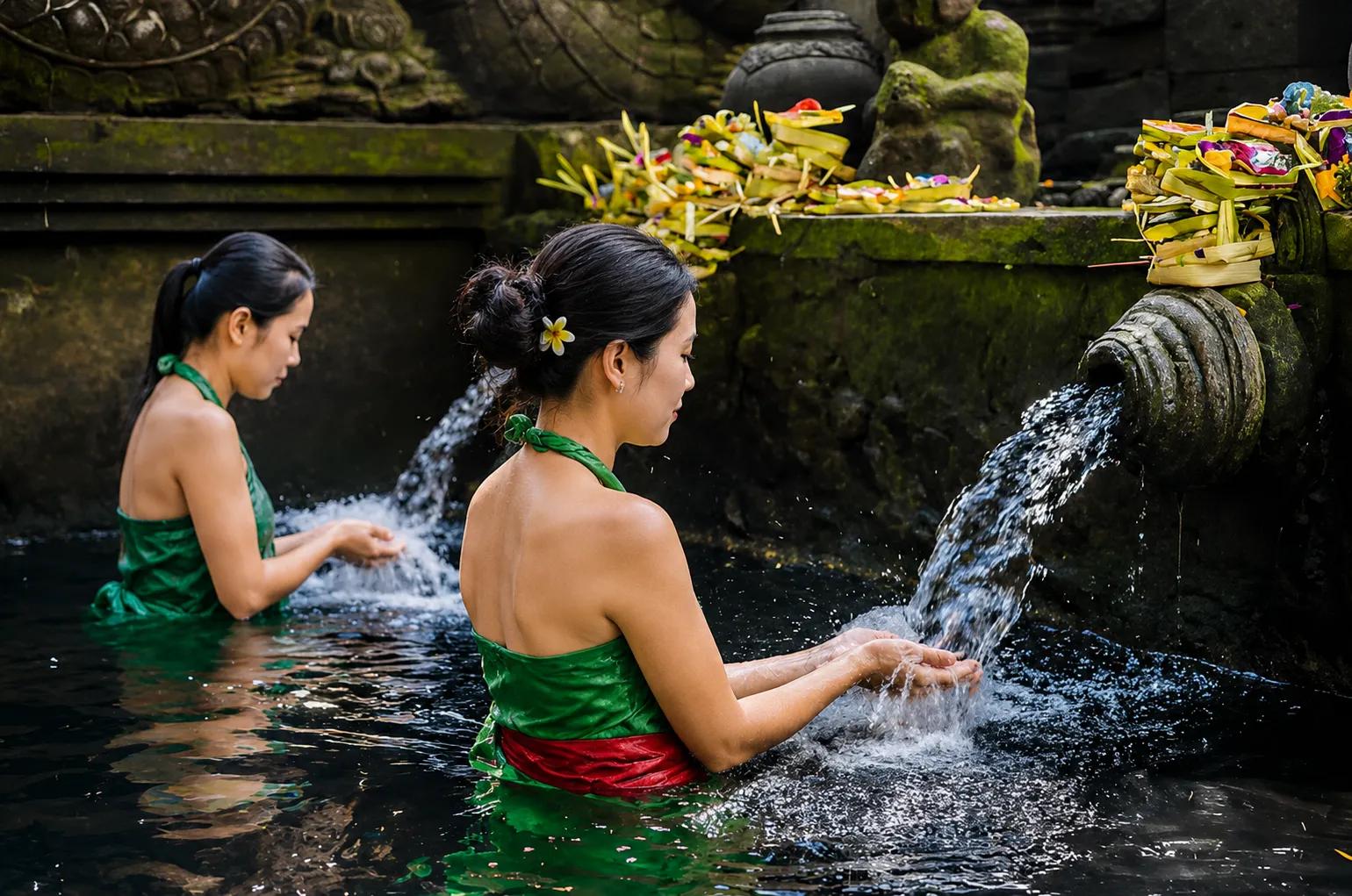
- The Tirta Empul spiritual tour. Priest availability, and it is a half-day commitment.
- Nusa Penida. Weather-dependent and group-size dependent — you need the boat and the vehicle to match.
- A private driver for the long days. The fleet is finite and it is busiest in July, August and December. Our guide to getting around Bali compares the options properly.
- Restaurant tables in Seminyak and Canggu for December and January, and for Ubud Food Festival in late April or early May.
- Everything with a loose slot, last. ATV rides and the swing can be booked up to two hours before the start time on the day. Do not spend your booking energy on these before the fixed ones.
The two hard rules on lead time: book the Batur jeep and the rice terrace trek at least three weeks ahead for most of the year and six to eight weeks ahead for July, August, December and the Nyepi fortnight. Book everything four months ahead for the Christmas and New Year fortnight.
Five scheduling mistakes to avoid
1. Scheduling the arrival day. You will land tired, in traffic, and possibly at midnight. Do not put a 02:00 pickup or a full-day tour next to it.
2. Trying to see five areas in four days. Ubud, Uluwatu, Canggu, Nusa Penida and the north is a genuinely impossible week. Every one of those days becomes a car day.
3. Treating Ubud as a day trip from the south. The traffic is worst from 16:00 to 19:30, which is exactly when the golden-hour light is best. If you base in the south, schedule Ubud as a full day and leave before the traffic builds.
4. Booking every day. One free day per week. It is the day that absorbs the rain, the missed traffic and the thing you did not know you wanted to do.
5. Ignoring the rain in the wet season. It is not all-day drizzle — it is usually a bright morning and a heavy late-afternoon downpour. Put your outdoor activity in the morning and your indoor activity in the afternoon, and the wet months become entirely workable. Our safety guide covers the practical details.
Frequently asked questions
What is the best month to visit Bali in 2027?
May for a first visit, April or September for the best balance of weather, crowds and price, July and August for the most reliable weather and the most people, and February for the quietest and cheapest island. If you can move, avoid the first half of March 2027 — Nyepi on the 8th and Eid al-Fitr in mid-March land days apart from each other.
Where should I start my Bali itinerary?
Ubud, for two nights. It is the best arrival base — the least traffic, the most central position for the inland half of the island, and the easiest place to spend a slow first day. Then work outwards in one direction: east to Sidemen or the south coast, then the Bukit, and finish near the airport.
How many days do I need in Bali in 2027?
Five days for Ubud, one beach stretch and one adventure. Seven days is the standard first trip and the sweet spot. Ten days lets you add the east coast or the north. Fourteen days is where you stop rushing and actually see the island. Below four days, pick one area and stay in it.
Which areas should I visit, and in what order?
Ubud, then either Sidemen and Padangbai or straight down to the south coast, then Seminyak and Canggu, then Uluwatu, and finish in Sanur or Nusa Dua. The north — Munduk, Lovina, West Bali National Park — needs its own two nights and belongs between Ubud and the south, not as a day trip.
What is the best month for the popular adventures?
May to October for the sunrise jeep tour, the rice terrace trek, waterfalls, rafting and the climbing. November to April if you want the muddy ATV tracks, the flooded rice terraces and the waterfalls at full flow. March to October for diving and manta rays, and May to September for Nusa Penida, when the sea is calm enough for the boats to run.
Should I avoid any dates in 2027?
Yes: 8 March, when Nyepi stops the island for around 24 hours and the airport closes, so move any flights. Avoid the days either side of it too, because the roads close and the queues are long. And plan around late December and the first days of January, which are the busiest and most expensive stretch of the year. The full dates are in our 2027 events planner.
What should I book first?
The Mount Batur sunrise jeep and the rice terrace trekking, because they have fixed early-morning starts and limited capacity. Then the Tirta Empul spiritual tour, then Nusa Penida, then your drivers. The ATV rides and the Bali Swing can be booked up to two hours before the start time on the day.
Is Bali better in the wet season?
For landscapes, sometimes. The rice terraces flood into mirrors, the waterfalls run hard, and the ATV tracks turn to mud. For guaranteed beach weather and long dry afternoons, no — the dry season wins. The wet months are quieter and cheaper, which is exactly why they suit a longer, slower trip.
Is it worth booking a driver for the whole trip?
For a week with two or three long days, yes — a private driver for the day costs roughly Rp 700,000–900,000 and removes the two worst hours of your trip from the steering wheel. For a short trip staying in one area, Grab and Gojek are cheaper and easier. The full comparison is in getting around Bali.
Tell us your dates and we will build the schedule
Tell us your travel window, how many days you have, who is coming and where you would rather sleep — then we will do the sequencing: which area first, which adventure on which morning, which fixed start times to protect, and which days to leave open. We will confirm the slots and the transfers in one message and hold them until you confirm.
Message us on WhatsApp at +62 851-7516-3718 — or book online. or browse the activities first and book directly online.
Tours to try in Bali
The tours we run ourselves, straight from the catalogue. Pay on arrival, free cancellation, and a WhatsApp reply within the hour.