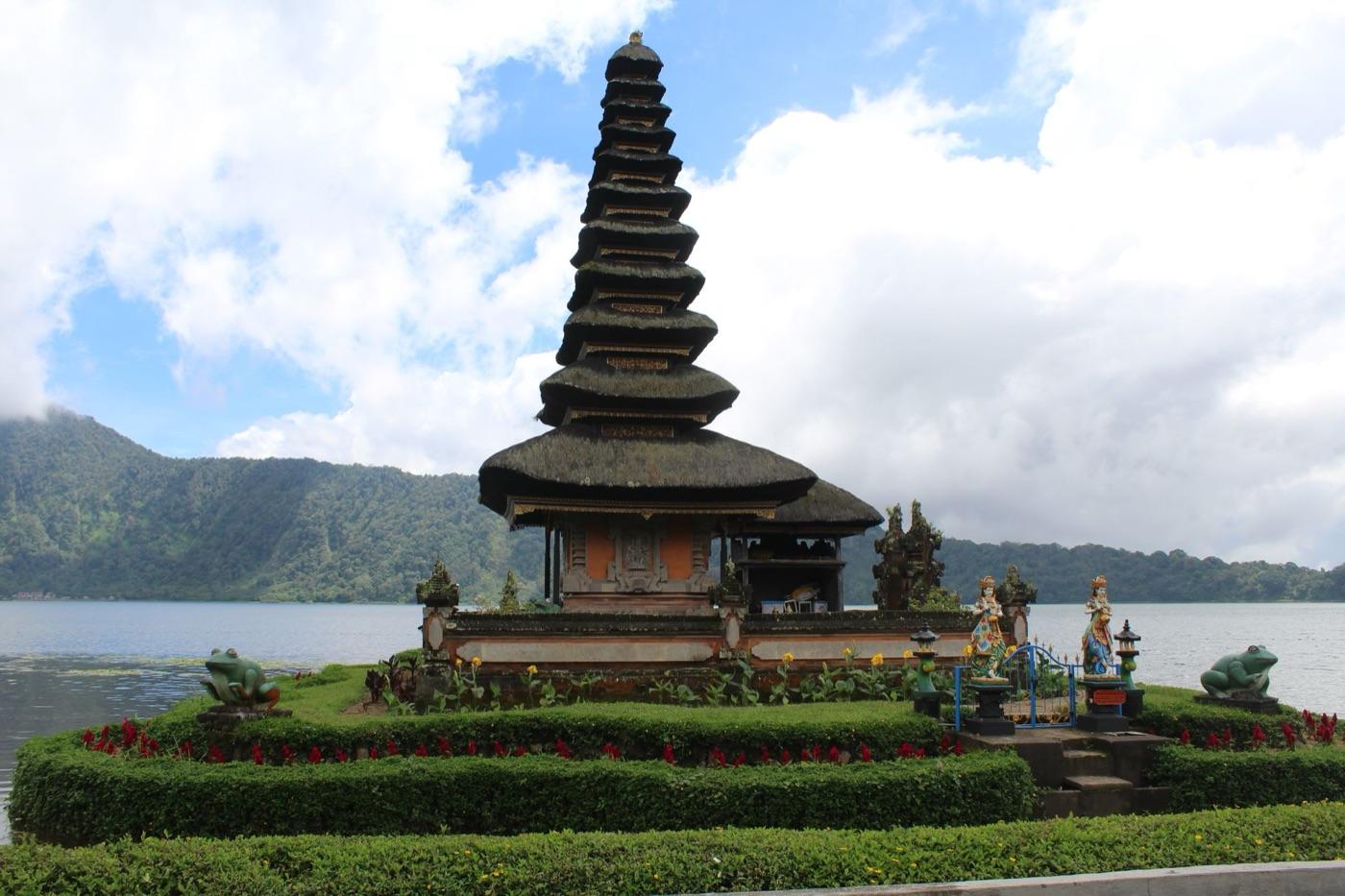
almost every first-time visitor to Bali ends up in the same four areas — Ubud in the hills, Canggu and Seminyak on the west coast, Kuta next door, and Sanur or Nusa Dua for a calmer beach. Those five cover the island's headline experiences, but the areas most people never visit — Sidemen, Munduk, Lovina, Padangbai and the villages behind Ubud — are where the better days usually are.
Bali is small enough to cross in two hours, which is exactly why visitors misunderstand it. The island has distinct areas with distinct characters, each with its own pace, crowd level and price bracket, and they sit within an hour or two of each other. That proximity is a gift — you can genuinely do Ubud in the morning and a beach in the afternoon — but it also means a lot of visitors book one area, stay there the whole week, and conclude they have seen Bali.
They have seen a quarter of it. Usually the loudest quarter.
This guide breaks the island into the areas visitors actually visit, what each one is genuinely good for, and how to combine them without spending your holiday in a car.
The map in 60 seconds
| Area | Vibe | Drive from Ubud | Best for | Crowd level |
|---|---|---|---|---|
| Ubud | Jungle, culture, calm, art | — | Culture, rice terraces, wellness, dining | Medium |
| Tegallalang & Sayan | Rice terraces and hills | 15–25 min | Sunrise views, waterfalls | Low–medium |
| Seminyak | Fashionable, social, expensive | 60–75 min | Restaurants, shops, beach clubs | High |
| Canggu & Petitenget | Café culture, surf, digital nomads | 75–90 min | Surf, cafés, sunsets, coworking | High |
| Kuta & Legian | Budget classic, loud, convenient | 45–60 min | Cheap stays, surf schools, first-timers | Very high |
| Sanur | Calm, flat, family-friendly | 60–75 min | Families, older travellers, Nusa Penida | Medium |
| Nusa Dua | Polished resorts, deep water | 90 min | Luxury, water sports, quiet beaches | Low |
| Uluwatu & the Bukit | Cliffs, surf, sunset temples | 90 min | Uluwatu Temple, Kecak, big waves | Medium–high |
| Sidemen | Traditional, weaving, quiet | 90 min | Village life, mountain scenery | Low |
| Amed & Padangbai | Rustic coast, dive country | 2–2.5 hrs | Diving, snorkelling, manta rays | Low |
| Munduk, Lovina & the north | Lakes, waterfalls, dolphins | 2.5–3 hrs | Nature, waterfalls, quiet | Low |
| Kintamani, Batur & Bedugul | Volcano country | 50–60 min | Sunrise volcano, crater lake | Medium |
The pattern is clear: the crowd is in the south, the character is in the middle and the north. Most itineraries spend two-thirds of their time in the busiest third of the island.
Ubud: the cultural heart of Bali
If you only base yourself in one place, make it Ubud.
Set in the hills above the Ayung River valley, Ubud is where Bali's traditional heart sits: the royal palace, the art market, the subak-irrigated landscape, the temples, the dance studios, the yoga shalas and the jungle. It is also the most walkable part of the island, because the streets are narrow, the traffic is slower and the interesting places are close together.
What is actually in Ubud
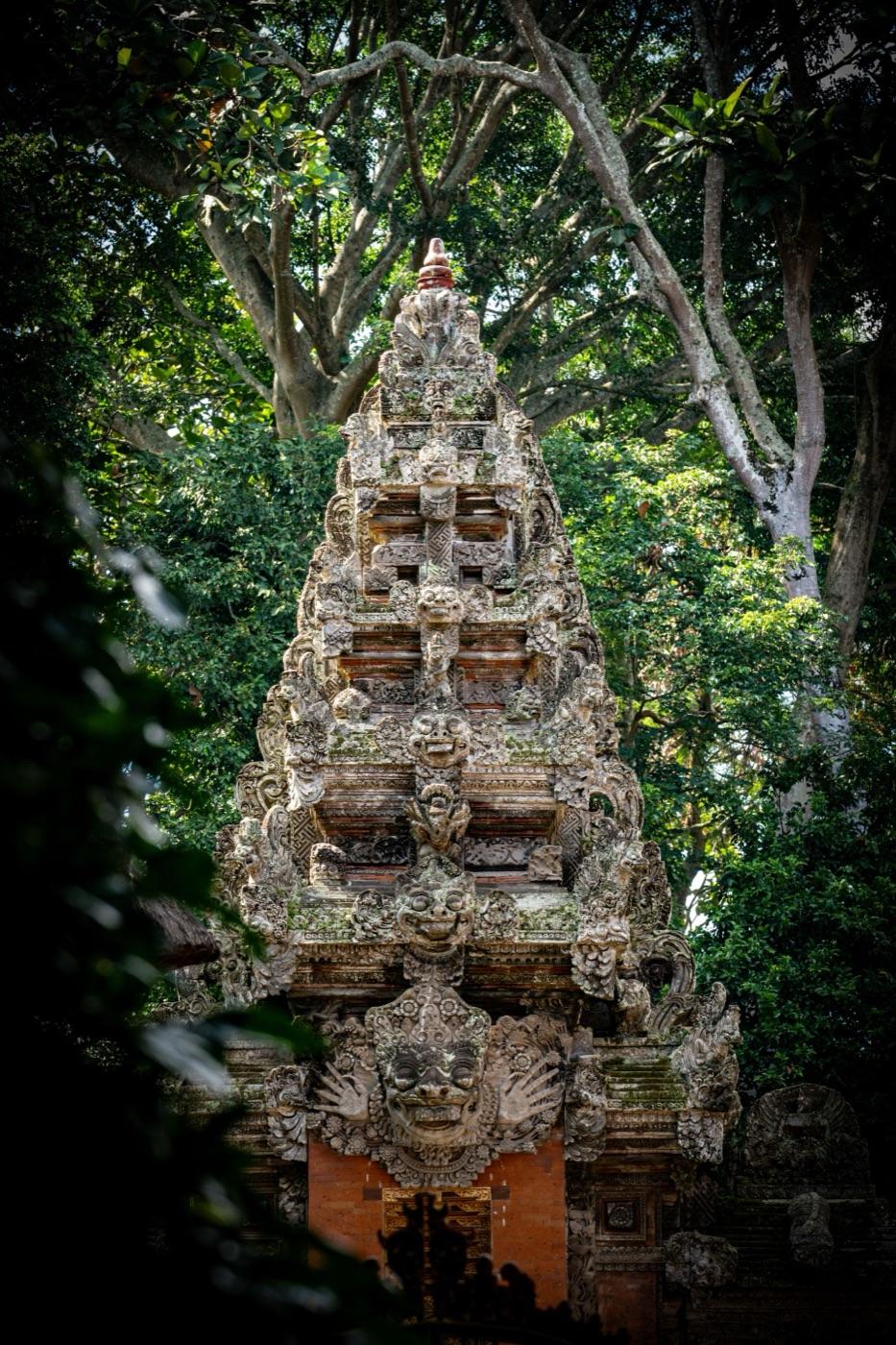
- Ubud Palace (Puri Saren Agung) — the royal residence, still in use, with the daily baleganjur procession of the women of the royal family.
- The Sacred Monkey Forest Sanctuary — a 27-hectare forest reserve with three temples and around 700 long-tailed macaques.
- Ubud Art Market — the busiest craft market on the island; go early, and bargain honestly.
- Campuhan Ridge Walk — a 2 km walk along a grass ridge between Ubud and Peliatan; the best easy walk on the island.
- Tegallalang Rice Terrace — the famous one, and the busiest; see our Jatiluwih guide for the calmer alternative.
- Agung Rai Museum and Blanco Museum — the two best small museums in Bali.
- Sayan, Belianda and Payangan — the villages behind Ubud, where the density drops and the valley views start.
Who it suits: almost everyone, but especially couples, solo travellers, anyone interested in food or art, and first-timers who want an anchor.
What it is not: Ubud is not a beach holiday. There is no swimming beach in central Ubud, and the traffic through town in the middle of the day can add 30 minutes to a 20-minute journey.
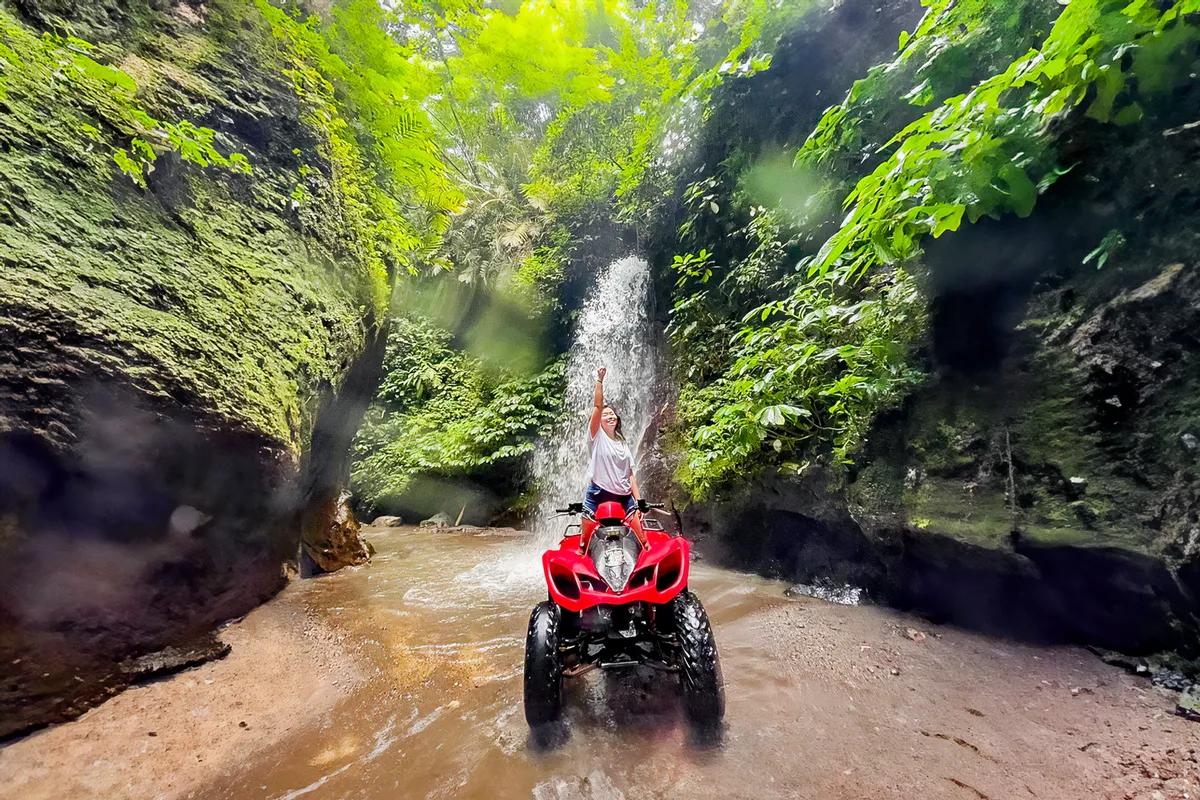
Practical note: most of our Ubud-based activities — the Tirta Empul spiritual tour, the rice terrace trek and the ATV rides — include transfer from the Ubud area at no extra cost.
Seminyak, Canggu and Petitenget: the modern beach belt
This is the part of Bali that Instagram was built on, and it is worth understanding exactly what you are choosing.
Seminyak is the polished end: boutique hotels, design shops, the best restaurants in the south, and beach clubs. The Jalan Kayu Aya strip — the "Eat Street" — runs for about a kilometre and holds dozens of small restaurants at prices that would be mid-range in Europe. Seminyak is where a couple's trip goes when the priority is eating and being looked after.
Canggu is the same coast with sand in its hair. It has the highest concentration of cafés on the island, a serious surf scene, the most digital-nomad workspaces, and a long-running tension between the party crowd and the residents who would rather it did not. Canggu also has something nobody else has: Batu Bolong Temple, built into the cliff face above the beach, and the Tegenungan and Echo beaches.
Petitenget sits between the two and is the quietest of the three — small, green, with the best beaches in the immediate area.
Who it suits: couples who want restaurants and a bit of glamour, surfers, younger groups, and anyone who wants to walk to dinner.
What it is not: it is not cheap, and in high season — July and August — the good restaurants book out. It is also the noisiest part of the island at night.
Kuta and Legian: the budget classic
Kuta was Bali's first tourist strip and it still does one job extremely well: it is the easiest, cheapest and most convenient place on the island to start.
You land, you are twenty minutes from the beach, the guesthouses are Rp 250,000 a night, there are a hundred surf schools on Jalan Legian and a Warung or a McDonald's within walking distance. It is loud, it is commercial, and it is exactly what a first-time visitor picture when they hear "Bali".
Who it suits: budget travellers, first-timers who want to learn to surf, solo travellers, and anyone landing late who does not want a 90-minute transfer to Ubud.
What it is not: Kuta is not authentic and it is not where you go for a memorable evening. The famous "Bali" that people picture in 2005 photographs — that is Kuta, and it is still there, but it is a holiday zone rather than the island's best version of itself.
Sanur: the calm, family-friendly coast
Sanur is the antidote to Kuta and Canggu, and it is the most underrated area on the island for families.
The beach is calm, wide and shallow, with a coral reef offshore that makes it one of the few places in Bali where you can wade out and swim without a strong current. The path along the beachfront is flat enough for bikes and good enough for a slow morning stroll. There is a market in the morning, a sailing club, and the main fast-boat harbour for Nusa Penida — about 45 minutes across the water.
Sanur also has the best-value family hotels in Bali, and it is the shortest transfer from the airport of any area worth staying in.
Who it suits: families with young children, travellers over 60, anyone recovering from a flight with a toddler, and anyone who wants a beach holiday that is not a party.
Nusa Dua: the resort zone
Nusa Dua is the polished, planned end of the island — wide boulevards, big resort complexes, deep, swimmable water, a championship golf course, and beaches that stay quiet because the day beds are reserved for guests. Padang Padang Beach on the far side of the peninsula is one of the best beaches in Bali and is almost always empty.
Who it suits: families who want a proper resort, luxury travellers, and anyone who wants a genuinely quiet beach within 30 minutes of the airport.
What it is not: it is not where you go for Balinese culture, local food or atmosphere. It is a resort zone that happens to be on a beautiful island.
The Bukit Peninsula: Uluwatu, Bingin and Balangan
The Bukit — the limestone peninsula that hangs off the south-west — is where Bali gets dramatic. Cliffs drop 70 metres into the sea, waves break over reefs that are working offshore, and the temples sit on the edge of nothing in particular.
Uluwatu is the headline. Pura Luhur Uluwatu sits on a cliff 70 metres above the sea, and the Kecak fire dance performed at sunset on the clifftop is one of the most memorable things you can watch anywhere in Indonesia — a circle of chanting men, no instruments, fire in the middle. Below it, Uluwatu Beach is a powerful left that intermediates and better should respect, and single-fin surfing is on the edge of the bay.
Bingin and Balangan further west are where the surf crowd now goes, with a sequence of world-class reef breaks and the Green Bowl. The Melasti Beach on the far western tip has become a popular sunset spot, and is a 45-minute drive from Kuta.
Who it suits: surfers, photographers, couples who want a dramatic cliff-and-ocean backdrop, and anyone doing a Nusa Penida day trip from Sanur.
East Bali: Sidemen, Amed and Padangbai
Most visitors never go east, which is precisely why it is worth going.
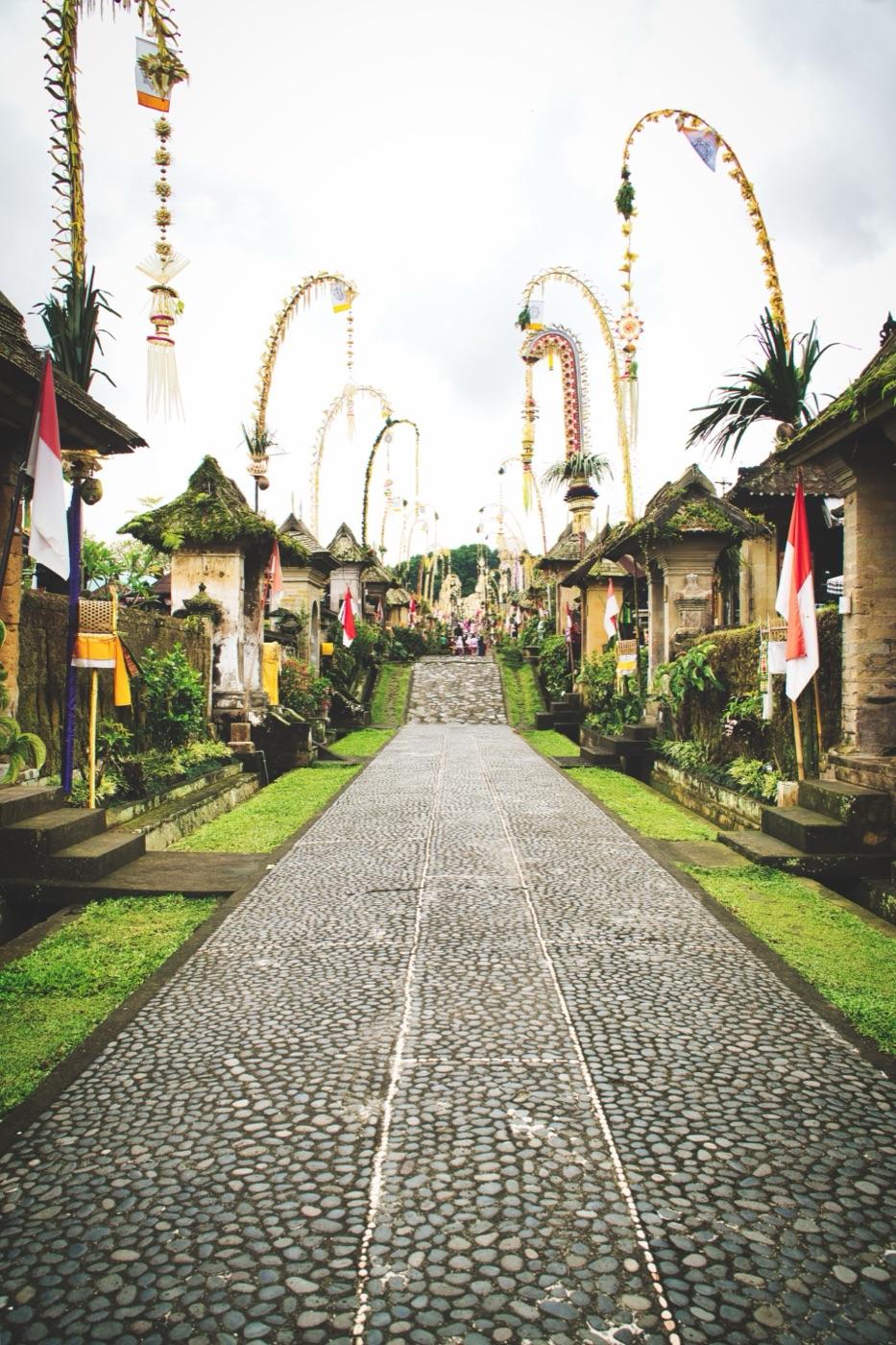
Sidemen, an hour and a half east of Ubud, is a valley of working rice terraces and weaving villages set between two rivers, with Mount Agung rising behind it. It is the most beautiful countryside in Bali and it is quiet — you will often share a restaurant with no one else. It is also where some of the island's best-value guesthouses are, and where you can do a half-day trek through the terraces with a local guide.
Amed is a long, low, rocky coastline east of Sidemen with snorkelling right off the shore, a laid-back dive-scene and, further along the road at Tulamben, the USAT Liberty — a Second World War shipwreck deliberately sunk as a dive site, in water shallow enough to snorkel.
Padangbai is the harbour, and the jumping-off point for the best diving in Bali: the manta ray cleaning station at Manta Point, the Blue Grotto, and the fast boats to Nusa Penida and Lombok.
Who it suits: divers, snorkellers, photographers, and anyone who wants a Bali that still feels like a working island.
North Bali: Munduk, Lovina and West Bali National Park
The north is the longest drive — roughly two and a half to three hours from Ubud — and it is the reason many travellers extend their trip by two days rather than one.
Munduk is the base for the waterfall country: Sekumpul, a seven-tier cascade reached on foot through the jungle; Gitgit; and the smaller falls around the town. It also has the biggest concentration of mountain views in Bali, looking over Lake Bratan and the ridges toward Mount Agung.
Lovina, further north on the coast, is famous above all for its sunrise dolphin trips — small groups going out on a traditional boat to meet the pods that feed in the bay off Pemuteran.
West Bali National Park covers the area around Pemuteran, with Jagaraja Beach as the most reliable turtle nesting site in Bali, and calm, shallow, coral-filled water for snorkelling.
Bedugul, on the way, holds Pura Ulun Danu Beratan — the floating temple on Lake Bratan — and a cool climate a couple of hundred metres higher than the coast.
Who it suits: nature lovers, photographers, waterfall hunters, and anyone willing to trade one beach day for two genuinely different ones.
The mountains: Kintamani, Batur and Bedugul
The volcanic spine runs through the middle of the island and is the reason half the views look the way they do.
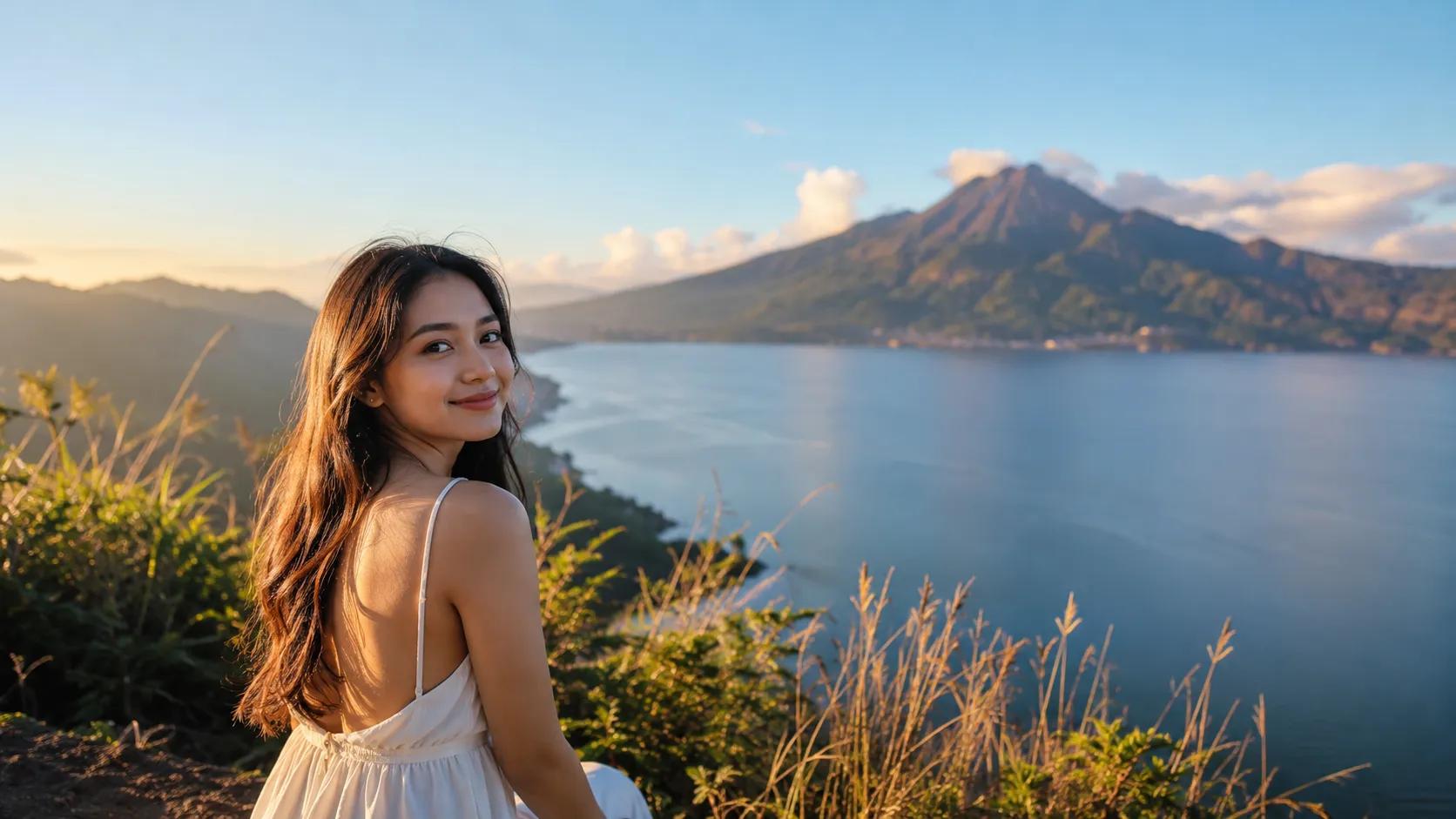
Kintamani overlooks Lake Batur and Mount Batur (1,717 m), one of the island's two active volcanoes. The sunrise point on the Batur ridge is the single most popular early-morning experience in Bali — you can hike it in the dark in around two hours, or ride up in a 4x4 in about forty minutes with breakfast cooked on volcanic steam at base camp. Our jeep tour to Batur and Kintamani covers the full route, and we set the two options against each other in Mount Batur sunrise hike vs jeep tour.
Bedugul is the cool, green market town at 1,300 m, home to the lake temple and the flower and vegetable market, where the produce is grown at the altitude.
Who it suits: everyone, for at least one morning. It is the one thing on the island worth rearranging your schedule around.
Which area should you choose?
| If you want | Base yourself in | Because | Watch out for |
|---|---|---|---|
| Culture, food and a calm base | Ubud | Temples, galleries, warungs, jungle | No beach; mid-day traffic |
| Restaurants, shops and a stylish beach | Seminyak | The best dining and shopping in the south | Expensive and busy in high season |
| Surf, cafés and a lively scene | Canggu | Surf, cafés, coworking, sunsets | Noisy; very busy in July–August |
| The cheapest start to the trip | Kuta | Cheap stays, surf schools, close to the airport | Loud, commercial, no atmosphere |
| A calm beach with children | Sanur | Shallow water, flat paths, value hotels | Less happening at night |
| A polished resort holiday | Nusa Dua | Quiet beaches, water sports, comfort | No local character |
| Cliffs, big surf and clifftop temples | Uluwatu | The Bukit's best beaches and Uluwatu Temple | Far from the airport; busy weekends |
| Diving, snorkelling and quiet coast | Amed / Padangbai | The best water and dive sites in Bali | Long drive; limited nightlife |
| Waterfalls and mountain views | Munduk / Lovina | Sekumpul, the north's nature | 2.5–3 hours each way |
| Village life and quiet | Sidemen | Rice valley, weaving, mountains | Few restaurants; no nightlife |
How to combine areas without wasting the trip
The mistake is trying to base yourself in a new area every second night. Instead, use the two-base rule: pick two areas, stay three or four nights in each, and take day trips in between.
A seven-day route that works well:
| Day | Base | Plan |
|---|---|---|
| 1 | Ubud | Arrive, settle in, Campuhan Ridge Walk at sunset |
| 2 | Ubud | Sunrise Batur jeep tour, afternoon temple and market |
| 3 | Ubud | Tirta Empul spiritual tour, afternoon rice terrace trek |
| 4 | Seminyak | Transfer south, beach and restaurants, no fixed plan |
| 5 | Seminyak | ATV ride in the morning, beach club in the afternoon |
| 6 | Uluwatu | Drive south, Uluwatu Temple and the Kecak dance at sunset |
| 7 | Sanur or airport | Beach morning, then transfer to DPS |
The same week with a northern or eastern twist: swap days 4 to 6 for Munduk, Sekumpul and Lake Bratan, and add Sidemen or Padangbai if you have eight days or more.
Transport reality: Ubud to Kuta is 45–60 minutes in traffic, Ubud to Seminyak 60–75, Ubud to Canggu 75–90, Ubud to Uluwatu 90, Ubud to Munduk 2.5–3 hours. Plan day trips in a ring rather than back and forth, and never book two fixed-start activities on the same day if they are more than 90 minutes apart. We cover the options in getting around Bali.
Which areas deserve an overnight, and which are day trips?
Stay at least two nights in: Ubud, Seminyak/Canggu, Kuta, Sanur and Uluwatu. Each has enough to fill a day on its own.
Day trip is fine: Kintamani and Batur (though the sunrise start makes it worth staying nearby the night before), Jatiluwih and Tabanan, Bedugul, Padangbai, Munduk if you are on a longer trip, and Nusa Penida — the fast boat leaves from Sanur and it is a full day out of any base.
The overnight nobody expects: Sidemen. It is the best value-for-money stay in Bali if you want somewhere beautiful and quiet for two nights in the middle of a busy week.
The areas most first-timers skip
If you only change one thing about your itinerary, make it one of these:
- Sidemen — the most beautiful countryside in Bali, and almost nobody goes.
- Tegalalang's quieter neighbours — Jatiluwih and Sidemen are the UNESCO and subak landscapes without the entrance-fee crowd.
- Amed and Tulamben — a coast with a world-class wreck dive and almost no development.
- Munduk in the north — waterfalls and lake views at half the price and a third of the traffic of Ubud.
- A north Bali day trip — even one day in the north changes how you think about the island's size.
Our hidden gems guide covers the specific places worth the detour.
Frequently asked questions
What is the most visited area in Bali?
By visitor numbers it is the south-west corridor — Kuta, Seminyak and Canggu together, because that is where the airport, the hotels and the flight arrivals put you. By cultural importance and by where most travellers spend the most time, it is Ubud. If you want the best balance, base in Ubud for the first three nights and move south for the rest.
Where should I stay in Bali for a first trip?
Ubud, without much debate. It is the most central, the most interesting, the cheapest for the quality and the best base for the adventure activities. If you want a beach holiday instead of a culture holiday, choose Sanur for a calm week or Canggu for a lively one.
Is Ubud too far from the beach?
Not really. Ubud to Seminyak is about 60–75 minutes, to Canggu 75–90 and to Sanur 60–75. That is a comfortable day trip. What Ubud does not have is a beach within walking distance — the nearest swimming options are the coast road, Sanur and Tegenungan, all a drive away.
How many areas should I visit in one week?
Two bases and three or four day trips. Trying to sleep in five different areas in seven days means you spend your holiday packing, checking out and sitting in traffic, and you get less out of each place than you would from staying four nights in one.
Which Bali area is best for families?
Sanur, by a clear margin — shallow, calm water, flat promenades, good-value family hotels and the shortest airport transfer. Ubud is the second choice, and it is a better choice for older children who like temples, animals and cooking classes rather than a swim.
What is the quietest part of Bali?
Three answers depending on the mood. For a calm, well-serviced beach, Nusa Dua. For nature and quiet villages, Sidemen and the north around Munduk. For a working coastal village with no nightlife whatsoever, Amed.
Is it worth staying in more than one area?
It is worth it, but only if the second area is genuinely different. Splitting a week between Ubud and Canggu is worth it — jungle culture then beach and restaurants. Splitting it between Seminyak and Kuta is not; they are forty minutes apart and feel like the same place.
What areas are best visited as a day trip rather than an overnight?
Nusa Penida (fast boat from Sanur, full day), Kintamani and Mount Batur, Jatiluwih and Tabanan, Bedugul, Padangbai and the Bali diving sites. All of them are excellent, and all of them are easier as a day trip than as a base — unless you specifically want to slow down.
Tell us where you are staying
Tell us which areas you have chosen, your dates and how many of you are travelling, and we will build the day plan around them: which adventure fits which morning, which transfers you need, and the order that will cost you the least time in a car. We will confirm the activity slots and the pickup points in one message.
Message us on WhatsApp at +62 851-7516-3718 — or book online. or browse the activities first and book directly online.
Tours to try in Bali
The tours we run ourselves, straight from the catalogue. Pay on arrival, free cancellation, and a WhatsApp reply within the hour.