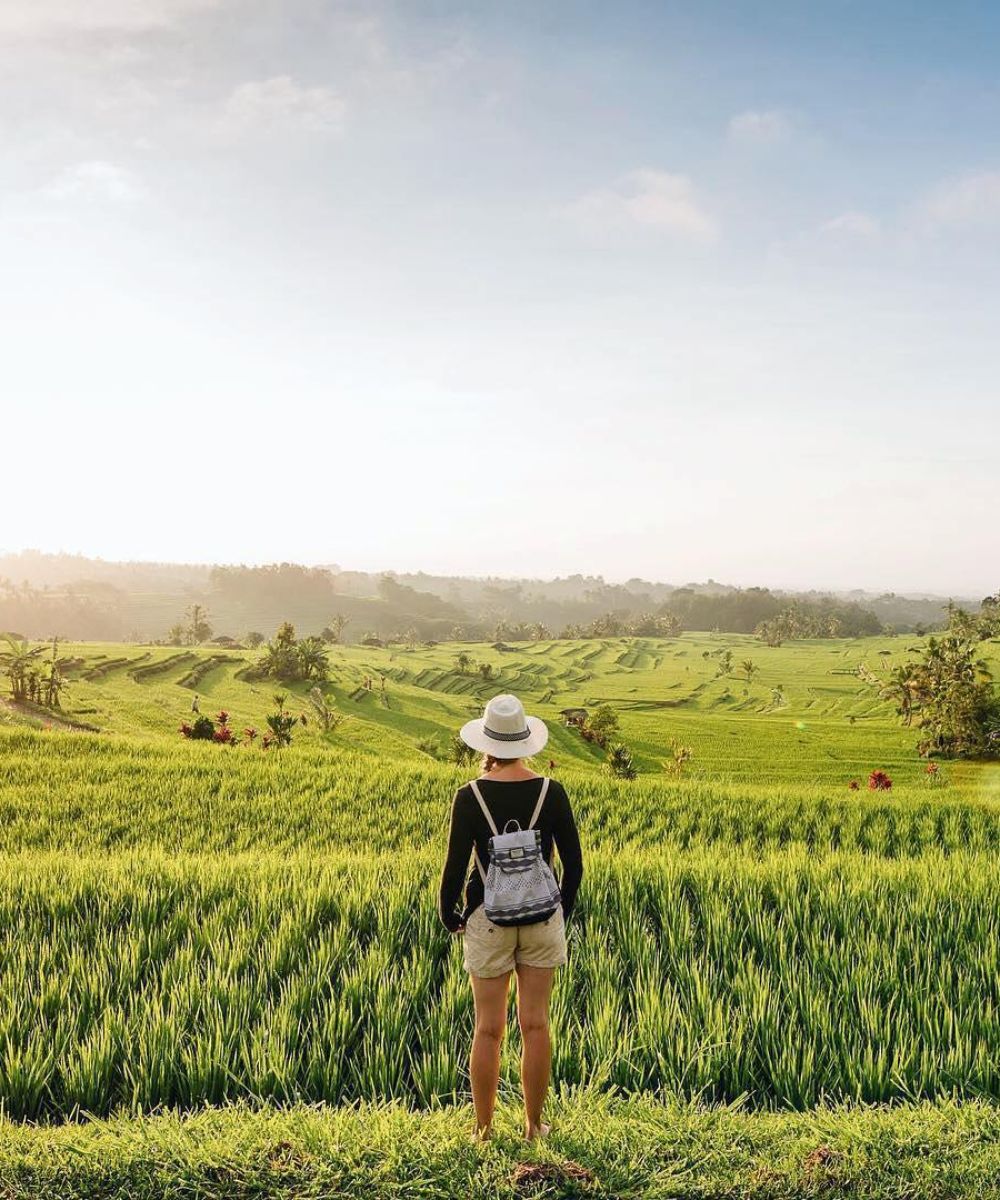
Jatiluwih Rice Terrace Bali 2026: UNESCO Heritage Site & Photography Guide
Jatiluwih is home to Bali's most magnificent rice terraces, spanning over 600 hectares of terraced paddies that showcase the island's ancient Subak irrigation system - a UNESCO-recognized agricultural heritage.
Why Jatiluwih is Special
UNESCO World Heritage
In 2012, Bali's rice terraces were inscribed as a UNESCO World Heritage Site, recognizing:
- Subak irrigation system - Over 1,000 years old
- Traditional farming - Chemical-free organic agriculture
- Cultural landscape - Harmony between humans and nature
- Bali's rice self-sufficiency - Ancient wisdom in practice
Scale & Beauty
- 600+ hectares of continuous rice terraces
- Largest in Bali - Bigger than Tegallalang
- Dramatic terrain - Rolling hills and valleys
- Cool climate - 500-700m elevation
The Subak System Explained
What is Subak?
Subak is Bali's traditional water management system:
- Cooperative farmers - Share water resources
- Temple rituals - Spiritual connection to rice goddess
- Democratic governance - Local farmer communities decide
- Sustainable practices - Organic by tradition
Why It Matters
- Produced rice self-sufficiency for Bali
- Maintained fertility for centuries
- Created the beautiful terraced landscape
- Preserved traditional Balinese culture
Best Places to Experience Jatiluwih
1. Central Viewpoint Area
The main attraction:
- Most accessible viewpoint
- Parking available
- Local vendors and warungs
- Good for first visits
2. Back Road Loop
The hidden route:
- 15 km scenic loop road
- Multiple viewpoints along the way
- Often completely empty
- Best for photography
3. Trekking Paths
The immersive experience:
- Walk between the paddies
- Get up close with farmers
- Experience the landscape fully
- Various route lengths
4. Northern Jatiluwih
The unexplored area:
- Less visited by tourists
- More authentic farming communities
- Hidden viewpoints
- Real adventure
Photography Guide
Best Spots for Photos
Morning Light (7-10 AM):
- Mist rising from valleys
- Golden light on rice paddies
- Farmers with buffaloes
- Reflections in water
Midday (10 AM-2 PM):
- Harsh light creates contrast
- Green colors are most vibrant
- Watch for shadows
Golden Hour (4-6 PM):
- Warm sunset light
- Long shadows
- Dramatic sky colors
- Best for silhouettes
Photography Tips
- Use polarizing filter to reduce glare
- Wide angle for sweeping views
- Telephoto for compressed backgrounds
- Shoot reflections in water after planting
- Include farmers for scale and story
Trekking in Jatiluwih
Easy Walk (30 min - 1 hour)
Along the main paths:
- Well-defined paths
- Easy access from viewpoint
- Good introduction
- Family friendly
Moderate Trek (2-3 hours)
Into the terraces:
- Narrower paths
- Cross small streams
- Through actual farmland
- Guided recommended
Long Trek (4-6 hours)
Full exploration:
- Connect multiple villages
- See different rice growing stages
- Remote areas
- Local guide essential
Best Time to Visit
Season Guide
November - March (Planting Season):
- Water reflections in paddies
- Green seedlings everywhere
- Fresh, new growth
- Most photogenic
April - June (Growing Season):
- Lush green rice plants
- Healthy, vibrant colors
- Good for all activities
July - September (Harvest Season):
- Golden rice ready for harvest
- Thatched drying barns
- Farmers actively harvesting
- Documentary opportunities
Time of Day
- Sunrise - Magic light, mist, solitude
- Morning - Best overall
- Afternoon - Good light, locals active
- Sunset - Beautiful but darkens quickly
Local Life in Jatiluwih
The Farmers
- Wake before dawn
- Work in terraces traditional way
- buffaloes plow the fields
- Chemical-free farming
The Seasons
- ** planting:** December-January
- Growing: February-June
- Harvesting: July-September
- Rest: October-November
Cultural Practices
- Offerings to rice goddess Dewi Sri
- Ceremonies at each growth stage
- Community cooperation essential
- Spiritual dimension to farming
What to Bring
Essentials
- Comfortable walking shoes
- Sun protection
- Water bottle
- Camera with extra battery
- Cash for parking/tips
- Sarong (for temple visits)
Nice to Have
- Tripod for sunrise shots
- Lens cleaning cloth (humid)
- Rain jacket (unpredictable)
- Snacks for treks
- Small backpack
Costs Guide
Entrance & Parking
- Parking: IDR 5,000-10,000
- Temple donation: IDR 20,000-50,000
Guide & Trek
- Half day guide: IDR 200,000-400,000
- Full day guide: IDR 400,000-600,000
- Village home visit: IDR 50,000-100,000
Food & Drink
- Warung lunch: IDR 30,000-80,000
- Coffee/tea: IDR 10,000-25,000
Combining with Nearby Attractions
Jatiluwih + Temple Tours
- Pura Luhurwatukaro - Sacred temple nearby
- Batukaru Temple - Beautiful mountain setting
- Ulun Danu Beratan - Lake temple
Jatiluwih + Nature
- Hot springs at Batur
- Coffee plantations
- Lake Batur viewpoint
Jatiluwih + Culture
- Balinese cooking class
- Traditional village visit
- Local craft workshops
Responsible Tourism
Do's
- Support local farmers by buying rice
- Use local guides
- Stay on marked paths
- Ask permission for photos
- Use refillable water bottle
Don'ts
- Don't enter paddies without permission
- Don't use flash photography at ceremonies
- Don't disturb farming activities
- Don't leave trash
- Don't support unsustainable practices
Conclusion
Jatiluwih represents Bali's agricultural heritage at its finest. Visiting these UNESCO-recognized terraces offers not just stunning scenery but a window into traditional Balinese life that has remained unchanged for centuries.
Experience Jatiluwih with Potato Bali Tours!
Contact: WhatsApp +62 851 7516 3718 Email: [email protected]