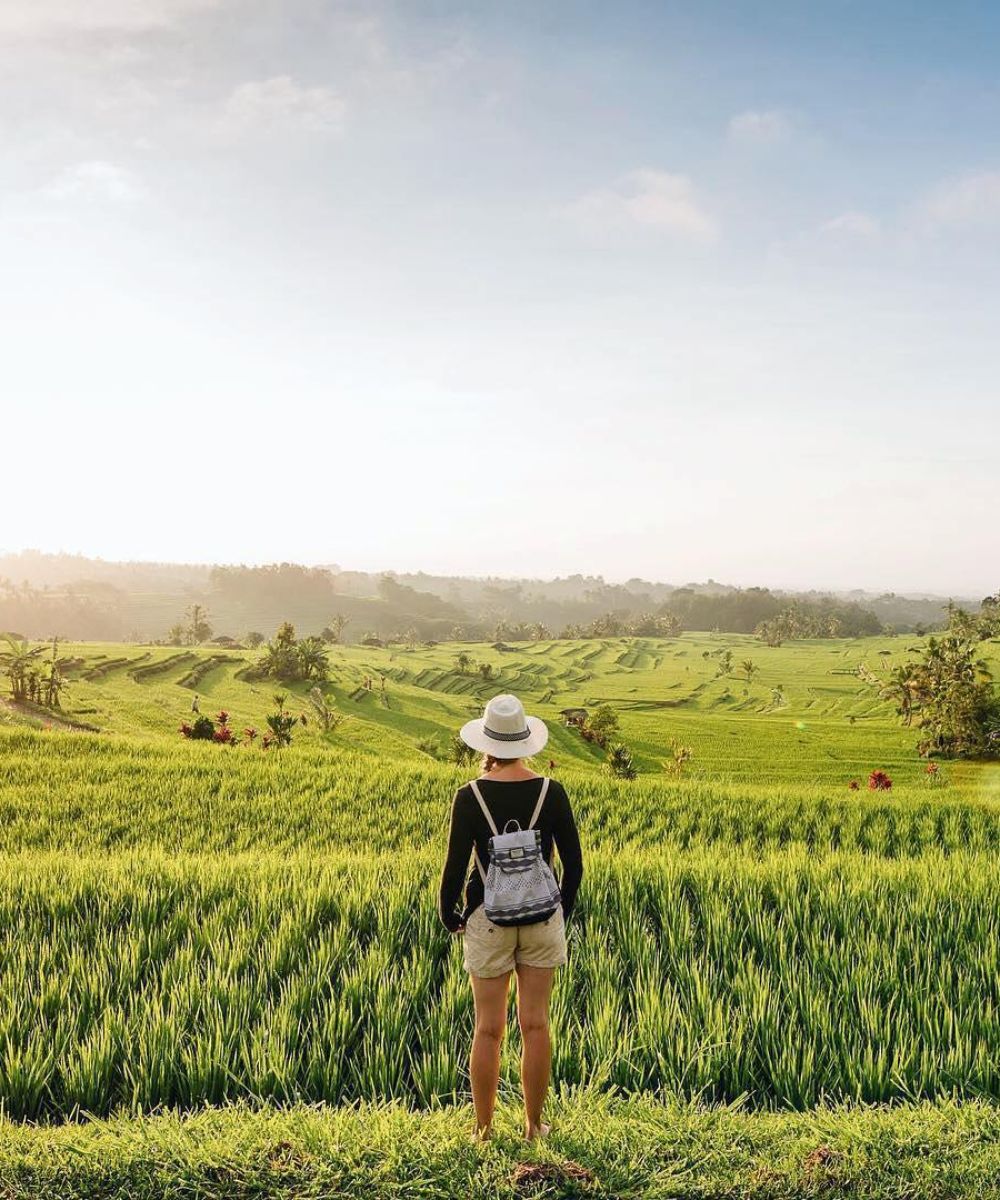
Jatiluwih Rice Terrace Trekking 2026: UNESCO Heritage Trail, Authentic Villages & Sunset Views
When UNESCO recognized the subak irrigation system of Bali's rice terraces as a World Heritage cultural landscape, many visitors were surprised to learn that the most significant portions of this ancient agricultural system are found not at the famous Tegallalang, but in the relatively undeveloped region of Jatiluwih.
Why Jatiluwih is Different: Understanding Bali's Most Significant Rice Terrace Landscape
While Tegallalang has become synonymous with Bali rice terrace tourism, it represents only a small portion of the island's rice cultivation area. Jatiluwih, by contrast, encompasses thousands of hectares of continuously cultivated rice paddies, maintained using the same organic, sustainable methods that have been employed for over a thousand years.
The Scale of Jatiluwih: The Jatiluwih rice terrace system spans approximately 20,000 hectares across several villages in the Tabanan Regency. The area includes some of Bali's most spectacular terraced landscapes.
UNESCO Recognition: In 2012, the Indonesian government submitted the Cultural Landscape of Bali Province subak system for UNESCO World Heritage recognition.
The Ancient Subak System: A Technological Marvel of the 9th Century
Understanding the subak system is essential to appreciating why Jatiluwih is so significant. This sophisticated irrigation network was developed by Balinese engineers around the 9th century and remains operational today with very little modification.
How Subak Works:
- Water Source Management: Each subak has a dedicated water source, typically a spring or stream in the mountains.
- Distribution Network: An intricate series of channels and aqueducts carries water from the source to the rice paddies.
- Fair Allocation: Every farmer receives water in rotation, ensuring that even those at the end of the distribution network get their fair share.
- Collective Decision-Making: All decisions about planting schedules, maintenance, and repairs are made collectively by the farmer community.
The Trekking Experience: Section by Section
Section 1: Village Starting Point
Every Jatiluwih trekking adventure begins in a traditional Balinese village, where farmers can be seen preparing for their daily work. Your guide will introduce you to the village's history and the relationship between the community and the surrounding rice terraces.
Section 2: Lower Rice Terraces
The trek begins at the lower elevations where the rice paddies stretch across the valley floor. During planting season (typically October-March), these paddies are flooded with water diverted from mountain springs through the subak channels.
Section 3: Ascending the Terraces
As the trek progresses, the terrain becomes more challenging. Stone steps carved into the hillside allow passage between different elevation levels. The views expand with each rise.
Section 4: Highland Viewpoint
The trek's high point offers a 180-degree panoramic view that ranks among the most spectacular in Bali. On clear days, you can see the entire Jatiluwih rice terrace system, the distinctive peak of Mount Batukaru, and the coastal areas.
Section 5: Traditional Village Return
The return journey takes a different route, descending through a traditional Bali Aga village. These ancient settlements predate the Majapahit influence that shaped most of modern Balinese culture.
Section 6: Coffee and Spice Plantation
The trek concludes with a passage through a traditional plantation where coffee, cocoa, and various spices are cultivated using traditional methods.
What Makes the Jatiluwih Trek Special
Authentic Agricultural Landscape: Unlike tourist-oriented rice terraces that have been modified for visitor convenience, Jatiluwih remains a working agricultural landscape.
Cultural Immersion: The trek provides genuine interaction with rural Balinese communities. Your guide will introduce you to local farmers, and you may encounter villagers engaged in their daily activities.
Environmental Education: The subak system represents one of the world's most sophisticated examples of sustainable agriculture.
Preparing for Your Jatiluwih Trek
What to Wear:
- Comfortable hiking shoes with good grip (terrain can be muddy)
- Light, breathable clothing
- Hat for sun protection
- Light rain jacket
What to Bring:
- Water bottle (at least 1 liter)
- Sunscreen and insect repellent
- Camera with extra batteries
- Small backpack
Best Time to Trek
Dry Season (April - October): More stable weather conditions, less muddy paths, clearer views for photography.
Wet Season (November - March): Rice terraces at their most lush and green, fewer other trekkers on the trail.
Common Questions Answered
Is Jatiluwih suitable for beginners? Yes! There are trek options suitable for various fitness levels.
Will I see farmers working in the fields? During planting and harvest seasons, you're very likely to see farmers at work.
Why Jatiluwih Should Be Your Bali Trekking Priority
In a destination where tourists often complain about overcrowded attractions, Jatiluwih offers something increasingly rare - a genuinely authentic experience that rewards visitors with profound beauty and genuine cultural insights.
Trekking through Jatiluwih is not just a physical journey - it's a journey into the heart of Balinese agricultural civilization.
Ready to discover Bali's UNESCO-recognized landscape on foot? Your Jatiluwih trekking adventure awaits!
Related Activities & Posts
Book This Activity:
Read Next: