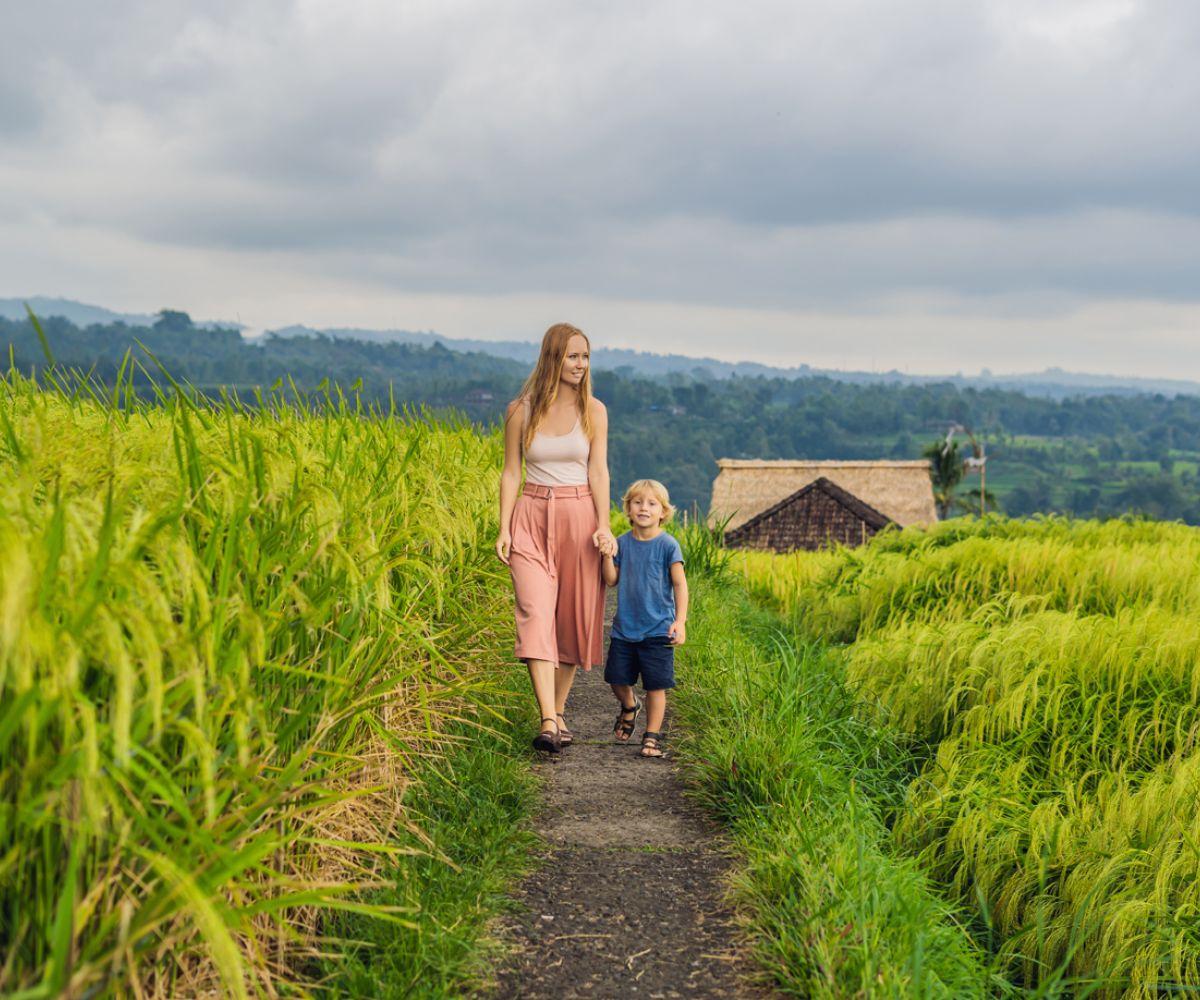
The best rice terrace trekking in Bali is Jatiluwih, the island's largest terrace system, part of the UNESCO-listed Subak landscape and a cooler highland walk — while Tegalalang is the famous, photogenic and crowded option near Ubud. Routes range from easy strolls to full-day walks, and guided treks add a local farmer, hidden stops and lunch in a village home. Potato Bali Tours can arrange either.
Rice terrace trekking is one of Bali's most rewarding activities, offering stunning views and authentic cultural experiences.
Why Trek Rice Terraces?
UNESCO World Heritage:
- Bali's rice terraces are UNESCO-recognized
- Subak irrigation system is 1,000+ years old
- Demonstrates harmonious relationship with nature
Physical Accessibility:
- Suitable for most fitness levels
- Choose easy or challenging routes
- Can be short or full-day walks
Top Rice Terrace Locations
1. Jatiluwih Rice Terraces
- Largest rice terraces in Bali
- 600 hectares of paddies
- Cool mountain climate
- Best for serious trekkers
2. Tegalalang Rice Terrace
- Most famous (and crowded)
- Located near Ubud
- Great for photography
- Many cafes with views
3. Campuhan Ridge Walk
- Not rice terraces but scenic
- Mix of jungle and valley views
- Easy 5km walk
- Free to explore
4. Sidemen Rice Terraces
- Less touristy
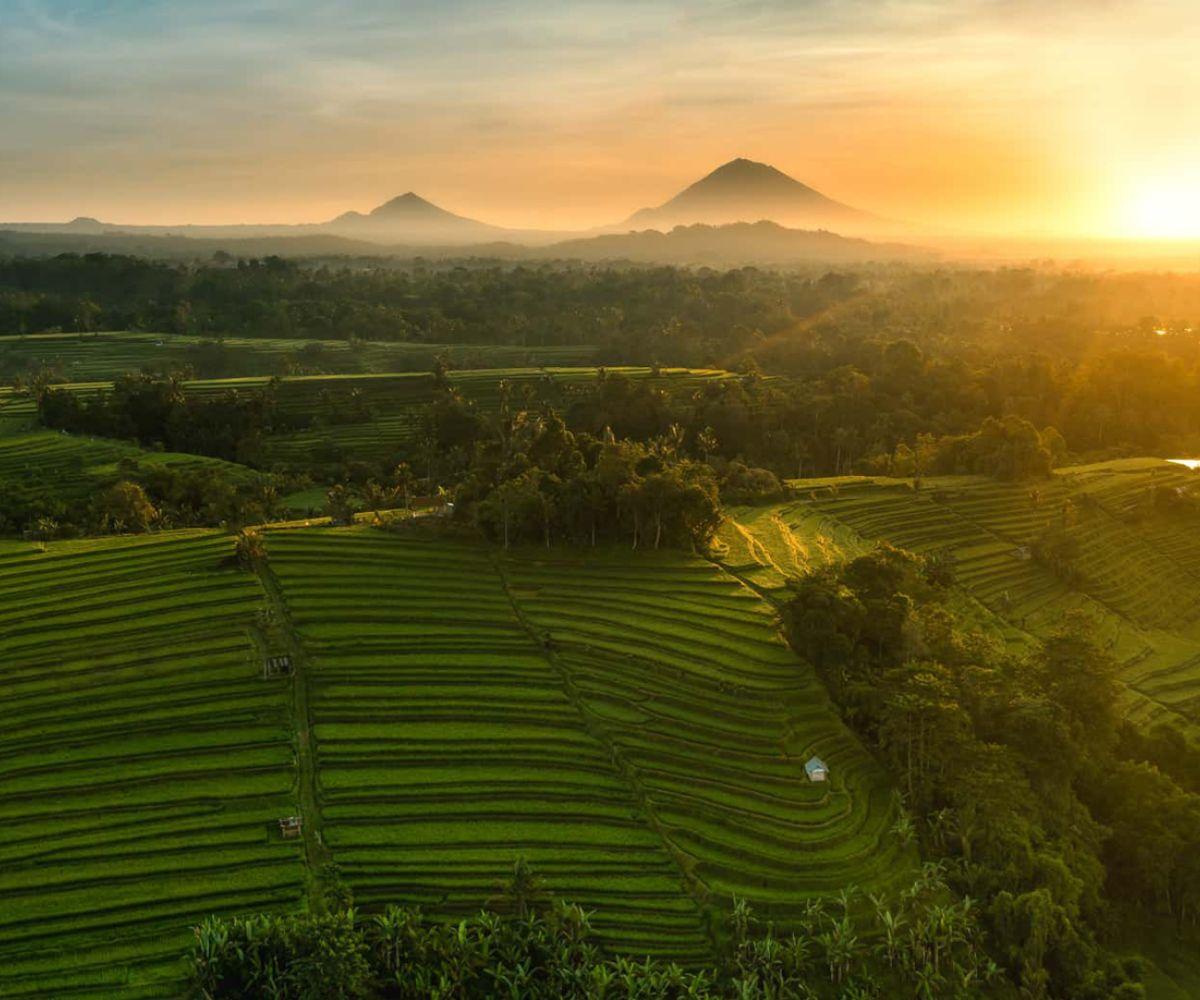
- Mount Agung views
- Traditional village walk
- Authentic experience
Trekking Tips
Best Time to Visit:
- Dry season (April-October)
- Early morning for fewer crowds
- Golden hour for photos
What to Bring:
- Comfortable walking shoes
- Water bottle
- Sun protection
- Camera
- Small backpack
Ethical Trekking:
- Stay on marked paths
- Don't disturb farmers
- Support local warungs
- Respect the environment
Guided vs Self-Guided
Guided Tours Include:
- Local farmer as guide
- Cultural insights
- Visit hidden spots
- Lunch at local home
- Support local community
Self-Guided:
- More flexibility
- Lower cost
- Explore at own pace
- Download offline maps
Frequently asked questions
Which is the best rice terrace to trek in Bali?
Jatiluwih is the best overall choice: it is Bali's largest rice terrace area, around 600 hectares, and it sits in a cooler mountain climate, so the walk is more comfortable than the lowland terraces. Tegalalang, close to Ubud, is the most famous and the most photographed, but it is busy and there is less of it to actually walk. Sidemen is the quiet alternative with views towards Mount Agung.
Is rice terrace trekking in Bali suitable for beginners?
Yes. The routes are walkable for most fitness levels, and you can choose an easy or a challenging version. The paths run along the edges of the paddies rather than up steep hillside, so it is a gentle, scenic walk rather than a hike — though the muddy paths after rain and the early start do demand reasonable footwear and a bit of stamina. Nobody needs athletic training to do it.
Should I trek Jatiluwih or Tegalalang?
Choose Jatiluwih if you want space, cooler air and a genuine trek across a working landscape, and accept a longer journey from Ubud. Choose Tegalalang if you want convenience, cafes overlooking the paddies and easy photography within a short drive of Ubud — but go early to avoid the crowd. A third option is Sidemen, which is quieter still and pairs well with a village walk.
Is the Campuhan Ridge Walk a rice terrace?
No, it is not terraced paddies, though it has the same kind of outlook. The Campuhan Ridge Walk is a ridge trail near Ubud that mixes jungle with views down into the valleys and the surrounding countryside. It is an easy five-kilometre walk, it is free to walk without a guide, and it works well as the gentle option when the terraces themselves feel like too much.
When is the best time to trek the Bali rice terraces?
The dry season, roughly April to October, gives the most reliable weather and the clearest views. Within any season, start early in the morning — the light is softer, the crowds thinner, and the walk is cooler. Late afternoon and golden hour are the best time for photographs, when the terraces catch the low sun. In the wet season the green is spectacular but expect short bursts of rain and slippery stones.
Do I need a guide for rice terrace trekking?
Not strictly — a self-guided walk gives you flexibility and costs less, and you can move at your own pace with offline maps. A guided trek adds a local farmer who explains the Subak irrigation system, takes you to spots that are not on the main path, includes lunch in a local home, and keeps the money in the community. For a first visit the guided version tells you considerably more about how the terraces actually work.
What should I bring for a rice terrace trek?
Comfortable walking shoes are the most important item — the terrace paths are uneven and often slick. Carry a water bottle, sun protection, a camera and a small backpack, and bring a light layer for the highland spots such as Jatiluwih, which is cooler than the coast. Stay on the marked paths, do not disturb the farmers working in the fields, and support the local warungs rather than the roadside cafes.
Which rice terrace in Bali has views of Mount Agung?
The Sidemen rice terraces, in the east of the island, are the ones with the Mount Agung outlook, and they are also the least touristy of the four main terrace areas. Sidemen pairs naturally with a walk through the traditional villages around it, which gives you the cultural half of the trekking experience without the crowds. From there the mountain is the constant backdrop rather than a distant view.
Tell us your pace and we will pick the terrace
Send us how many of you there are, whether you want an easy or a full-day walk, and where you are staying, and we will line up the route, the guide and the transfer.
Tours to try in Bali
The tours we run ourselves, straight from the catalogue. Pay on arrival, free cancellation, and a WhatsApp reply within the hour.