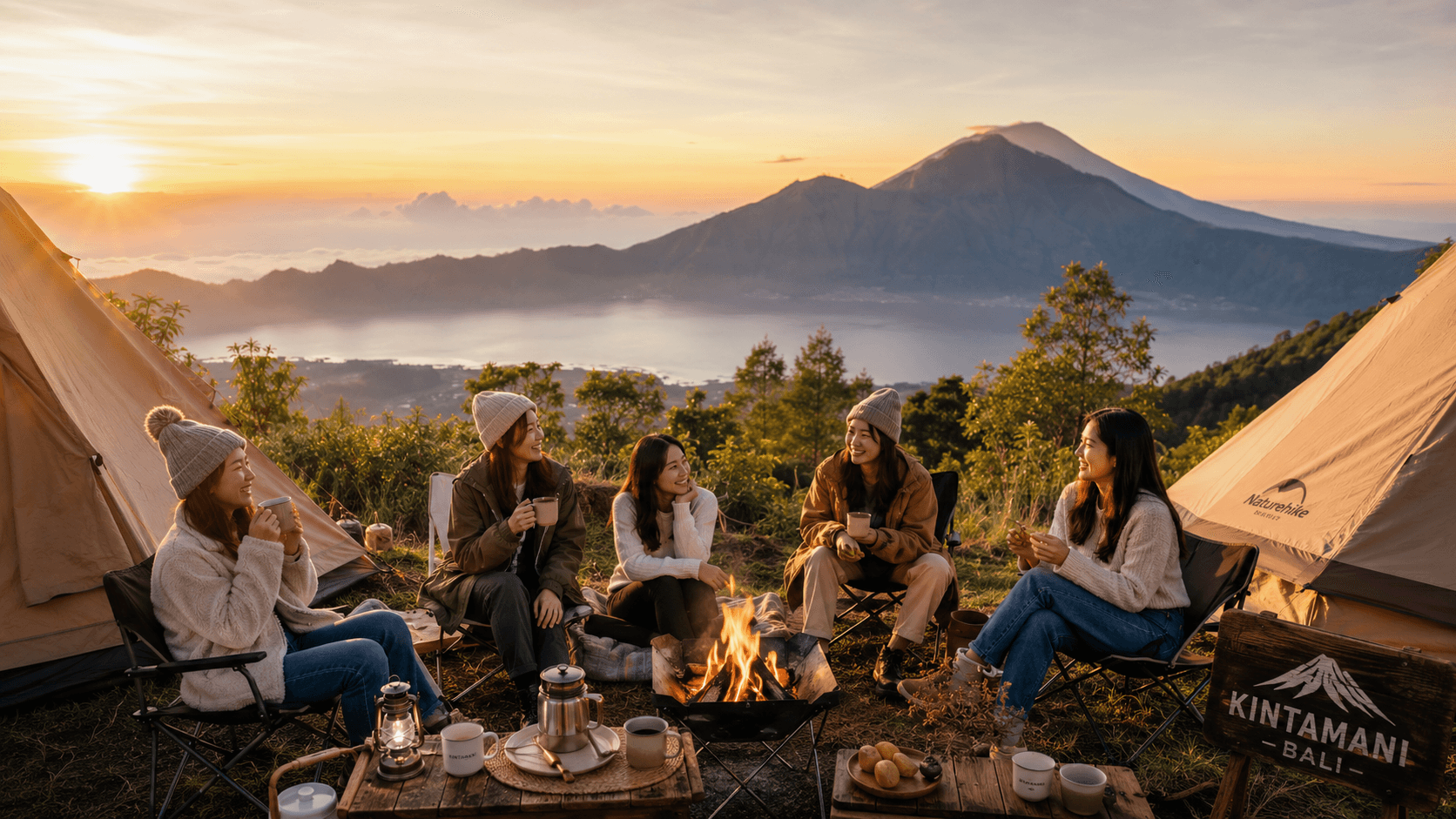
Kintamani is Bali's highland region around the active Mount Batur, where you can camp at the crater rim, the lakeside, Penelokan viewpoint or in Songan village — cold nights, star-filled skies and sunrise over the caldera — and Potato Bali Tours can arrange the permit, guide, equipment, transport and meals.
Imagine waking up to sunrise over Mount Batur, with the entire island of Bali spread out below you. Camping in Kintamani offers this incredible experience and so much more.
Why Camp in Kintamani?
Kintamani is Bali's highland region surrounding Mount Batur, an active volcano. The area offers:
- Cool Climate - Escape Bali's heat (15-20°C at night)
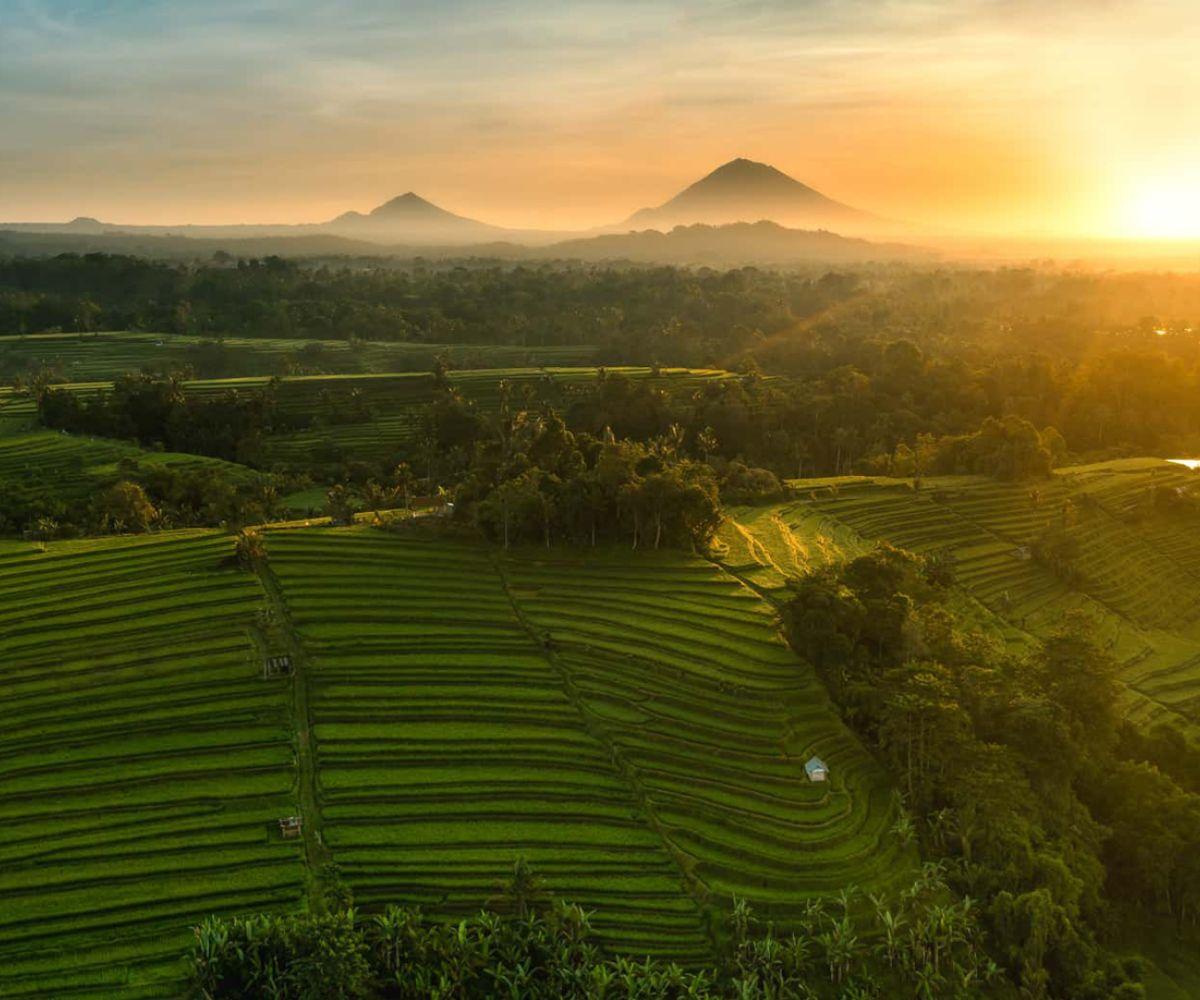
- Stunning Views - Volcano, lake, and sunrise panoramas
- Adventure Access - Trekking, cycling, and more
- Unique Experience - Sleep under stars near an active volcano
Best Camping Spots in Kintamani
1. Mount Batur Crater Rim
The iconic camping location:
- Wake up above the clouds
- Watch sunrise over the caldera
- See the sacred lake and temple
- Most popular and crowded option
Camping Details:
- Base camp at around 1,700m elevation
- 2-hour trek to crater rim
- Camping platforms available
- Basic facilities at base camp
2. Lake Batur Viewpoint
Scenic lakeside camping:
- Views across the sacred lake
- Serene setting away from crowds
- Access to hot springs nearby
- Great for photography
Camping Details:
- Shorter travel from base
- More level ground
- Local warungs nearby
- Can combine with hot springs
3. Penelokan Viewpoint
The classic viewpoint:
- Most famous vista point
- Full view of Mount Batur and Lake Batur
- Easy access by vehicle
- Many accommodation options nearby
Camping Details:
- Can camp at nearby properties
- Some warungs allow overnight
- Good for sunset and sunrise
- Facilities nearby
4. Songan Village Area
Off-the-beaten-path:
- Traditional Amed village setting
- Less touristy
- Authentic cultural experience
- Access to hot springs
Camping Details:
- Local homestays with camping
- Community-run options
- Genuine Balinese hospitality
- Explore surrounding rice terraces
What to Bring for Kintamani Camping
Essential Gear
- Tent - 3-season tent recommended
- Sleeping bag - Temperatures can drop to 10°C
- Sleeping mat - Insulated from cold ground
- Headlamp/flashlight - Essential for night
- Warm layers - Fleece or down jacket
- Rain gear - Weather can change quickly
Clothing
- Warm jacket (evenings are cold!)
- Layers for temperature changes
- Hiking shoes/boots
- Change of clothes
- Beanie/hat for warmth
Camping Essentials
- Water bottle (fill before ascent)
- High-energy snacks
- First aid kit
- Sunscreen (sun is stronger at altitude)
- Mosquito repellent
- Toilet paper/tissues
- Hand sanitizer
Nice to Have
- Portable stove (where allowed)
- Hot drinks in thermos
- Camera with tripod
- Power bank (no electricity at sites)
- Star map app
Camping Costs 2026
Permit Fees
- Parking (if driving): a small fee at the entrance
Guided Camping
Many operators offer all-inclusive camping:
- Includes: Permit, guide, equipment, dinner, breakfast
- Includes: Everything plus premium campsite, hot springs visit
Safety Considerations
Weather
- Check forecast before going
- Don't camp on crater rim during storms
- Lightning is a risk on volcano peaks
- Fog can roll in quickly
Health
- Altitude sickness possible (1,700m+)
- Stay hydrated
- Acclimatize if arriving from sea level
- Bring any necessary medications
volcanic Activity
- Check current volcanic alert status
- Follow guide advice on safe areas
- Mount Batur is active but currently safe
- Follow all posted warnings
Combining Camping with Other Activities
Morning Trekking
- Wake before dawn for sunrise
- Trek to crater rim
- Watch sunrise from top
- Return to camp or descend
Hot Springs Visit
- Combine camping with visit to Batur hot springs
- Soothe muscles after trek
- Relaxation reward
Lake Batur Activities
- Boat ride on the sacred lake
- Visit Ulun Danu Beratan Temple
- Fishing excursion
- Coffee plantation visit
Booking Your Camping Experience
Through Tour Operators
Most popular and safest option:
- Includes transport from Ubud
- Guide and permit handling
- Equipment rental
- Meals provided
- Safety monitoring
DIY Camping
For experienced campers:
- More affordable
- Full flexibility
- Need own equipment
- Must research routes and permits
- Join local community for authenticity
Best Time to Camp
Dry Season (April-October)
- Clearer skies
- Less rain
- Better star viewing
- More predictable weather
Wet Season (November-March)
- Lush green scenery
- Fewer crowds
- Possible fog/rain
- Dramatic cloud formations
Full Moon Nights
- Extra bright at night
- Magical atmosphere
- Book well in advance
- Clearest views usually
Camping Etiquette
- Leave no trace - pack all trash
- Respect sacred areas
- Follow local guidance
- Keep noise down
- Be considerate of other campers
Conclusion
Camping in Kintamani is an unforgettable Bali experience. Whether you choose a guided tour or DIY adventure, waking up to Mount Batur sunrise is pure magic.
Ready to camp under the stars?
Book your Kintamani camping adventure with Potato Bali Tours!
Contact: WhatsApp +62 851 7516 3718 Email: [email protected]
Frequently asked questions
How cold is it at night when camping in Kintamani?
Expect genuinely cold nights — around 15 to 20°C at night in general, and temperatures can drop to 10°C. This is the biggest surprise for most visitors, who arrive from tropical Bali in shorts. Pack a warm jacket, fleece or down layer, layered clothing for the temperature swings, a beanie, and hiking boots. A warm sleeping bag and an insulated mat matter too, because the ground itself steals heat. A thermos of hot drinks is worth more than you would think at 2 AM.
What are the best camping spots around Mount Batur and how do they differ?
Four options, each with a different trade-off. The Mount Batur crater rim is the iconic one — you wake above the clouds with a sunrise over the caldera — but it is the most popular and crowded, with a two-hour trek from base camp. Lake Batur Viewpoint is quieter, on more level ground, closer to base, and near the hot springs. Penelokan Viewpoint is the classic panorama of volcano and lake, easy by vehicle, with warungs nearby. Songan Village is the authentic option — local homestays, community-run, less touristy.
Do I need a guide and a permit to camp in Kintamani?
A guide is strongly recommended and a permit is required, which is why most visitors go through a tour operator. The guided route handles transport from Ubud, permit paperwork, equipment rental, meals and safety monitoring, and it is described as the most popular and safest option. DIY camping is possible for experienced campers who bring their own gear and have researched the routes and permits themselves, and it gives you full flexibility and lower cost. Join a local community if you go that way.
Is it safe to camp on an active volcano?
Yes, with the obvious caveat that you follow the current alert status. Mount Batur is active but currently safe, and the standard advice is to check the current volcanic alert level before you travel, stick to designated safe areas, follow your guide's advice and obey all posted warnings. Weather is the more common concern: lightning is a real risk on volcano peaks, so do not camp on the crater rim during storms, and fog can roll in and obscure the view very quickly.
What do I need to bring camping in Kintamani that I would not need at the beach?
A three-season tent, a sleeping bag rated for real cold, an insulated sleeping mat, a headlamp for the night, warm layers and rain gear — weather changes fast. Also pack a water bottle filled before the ascent, high-energy snacks, a first aid kit, sunscreen (the sun is stronger at altitude), mosquito repellent, hand sanitizer and tissues. There is no electricity at most sites, so bring a power bank. A portable stove and a tripod are nice-to-haves where they are allowed.
When is the best time to camp in Kintamani?
The dry season from April to October gives clearer skies, less rain, better star viewing and more predictable weather. The wet season from November to March brings lush green scenery, fewer crowds and possible fog or rain, but dramatic cloud formations. Full moon nights are extra bright and magical — and they book out well ahead, so plan early if that is what you are after.
What else can I do if I am camping for only one night?
Camp is really the anchor for a longer Kintamani itinerary. The morning of your second day you can wake before dawn, trek to the crater rim for sunrise, then descend. Add the Batur hot springs to soak your muscles afterwards, or spend the afternoon on a Lake Batur boat ride, a visit to the Ulun Danu Beratan temple, a fishing session, or a coffee plantation visit. Sunset from the viewpoint with a lakeside dinner is the easy way to close the day.
Can altitude cause problems when camping at Batur?
Mild altitude sickness is possible at 1,700 metres and above, particularly if you arrive straight from sea level. Stay hydrated, acclimatise rather than ascending and camping at full height straight away, and bring any medication you normally take. It is also worth taking motion sickness tablets for the winding mountain roads on the way up — the road, not the altitude, is what catches most first-timers out.
Tell us your group and we will set up camp
We will arrange the permit, guide, equipment hire, meals and the transfer from Ubud, and tell you which of the four sites suits your group best.
Tours to try in Bali
The tours we run ourselves, straight from the catalogue. Pay on arrival, free cancellation, and a WhatsApp reply within the hour.