
Walking Through Penglipuran Village: Bali's Oldest & Cleanest Traditional Village
Discover Penglipuran Village, one of the oldest and cleanest traditional villages in Bali. Walk through ancient streets, experience authentic Balinese culture, and witness centuries-old traditions preserved in this UNESCO-recognized paradise.
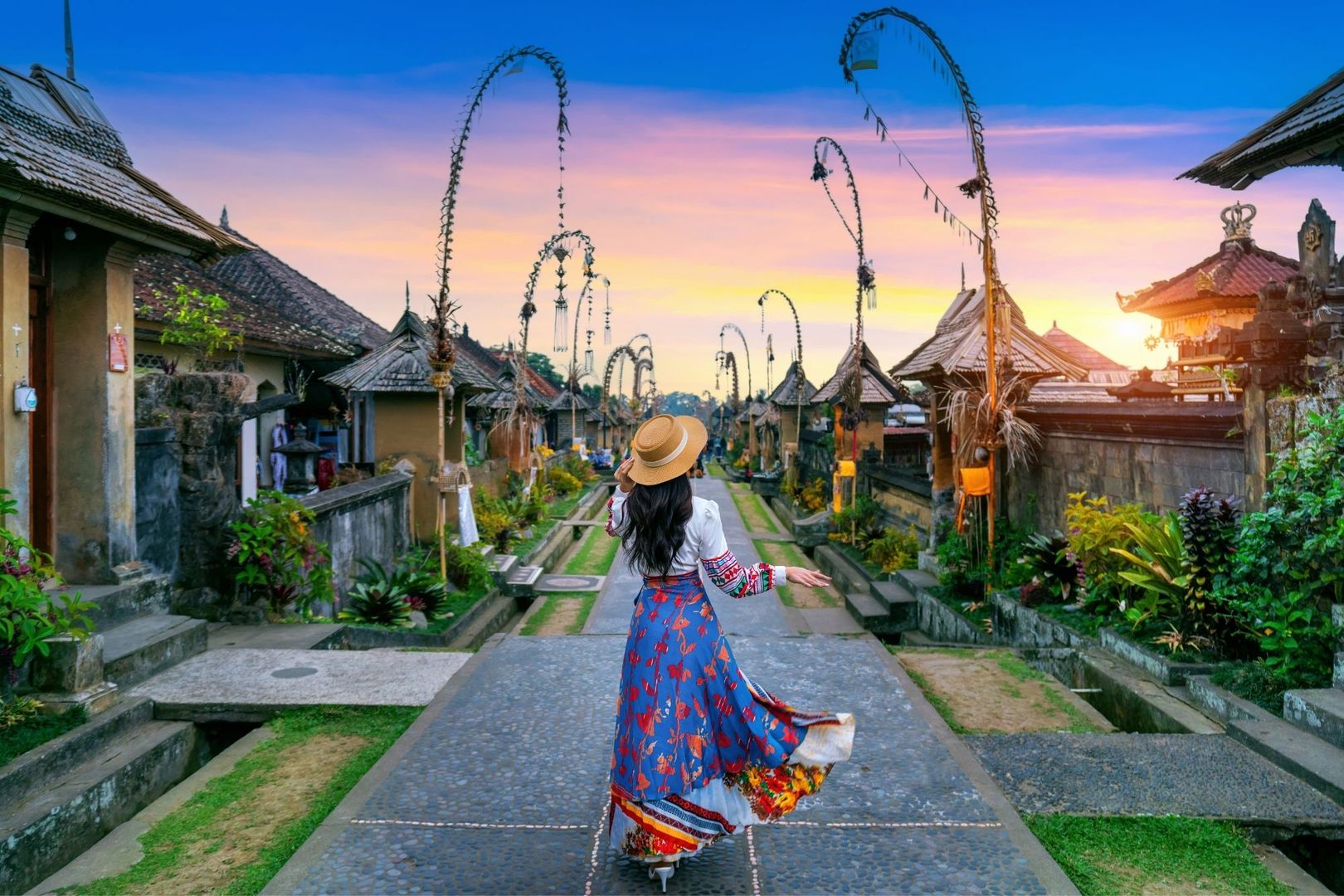
Traditional Penglipuran Village in Bali showing immaculate streets, traditional Balinese houses, and village temple
Walking Through Penglipuran Village: Bali's Oldest & Cleanest Traditional Village
Step back in time and experience authentic Balinese village life at Penglipuran Village, one of the most well-preserved traditional villages in Bali. Located in Bangli Regency, this ancient settlement has been recognized as one of the cleanest villages in the world, offering visitors a rare glimpse into Bali's rich cultural heritage that has remained virtually unchanged for centuries.
As you walk through the immaculately maintained streets lined with traditional Balinese houses, you'll feel like you've entered a different world – where ancient traditions, sustainable living, and community harmony aren't just remembered, but lived every single day.
Why Penglipuran Village is Special
🌿 World's Third Cleanest Village
Penglipuran has achieved global recognition as one of the cleanest villages in the world, ranked third cleanest globally by the United Nations World Tourism Organization (UNWTO). The village's commitment to cleanliness, environmental sustainability, and waste management has earned it numerous awards and international acclaim.
"Penglipuran Bali Village is one of 3 villages that has been named the cleanest village in the world. Thanks to its cleanliness and neatness, this tourism village has become an example for other villages in Indonesia." - Love Bali
🏛️ Authentic Traditional Architecture
Unlike many tourist destinations in Bali, Penglipuran has maintained its original architectural integrity. Traditional thatched-roof houses made of bamboo and wood blend seamlessly with the natural surroundings. The village layout follows ancient Balinese principles of spatial organization, with the sacred temple in the center, residential areas surrounding it, and the cemetery at the village's edge.
🌱 Living Heritage
This isn't a museum or cultural theme park – it's a living, breathing community where residents continue to practice traditional Balinese customs, rituals, and ways of life that have been passed down through generations. When you visit, you're witnessing authentic culture, not a performance.
The History & Origins of Penglipuran
The village dates back over 700 years, founded by the Karya Iddan Maket community who migrated from Kintamani region. The name "Penglipuran" comes from the Balinese word "lipur," meaning "relief" or "comfort" – signifying a place where people find peace and solace.
The village has maintained its traditional governance system, led by a Kelian Adat (traditional village chief) who ensures that customs and traditions are preserved. This commitment to cultural preservation has allowed Penglipuran to resist modernization pressures that have transformed much of Bali.
What to See on Your Walking Tour
1. 🏘️ Traditional Village Layout
The most striking feature of Penglipuran is its unique layout. The main street runs straight through the center, with identical traditional houses on both sides. The uniformity isn't coincidental – it reflects the community's egalitarian values and shared cultural identity.
Each house compound follows the traditional asta kosala-kosali principles, with separate buildings for sleeping, cooking, and ceremonies. The entrance to each compound features an angkul-angkul (traditional gate) and aling-aling (screen wall) that provides privacy from evil spirits.
2. 🙏 Pura Penataran (Main Temple)
The village's heart is its central temple, Pura Penataran. This sacred space is where villagers gather for ceremonies, prayers, and festivals. The temple features beautiful traditional Balinese architecture with ornate carvings and shrines.
Visitors are welcome to observe from outside the inner sanctum. The temple comes alive during ceremonies, when villagers dress in traditional ceremonial clothing and make offerings.
3. 🌳 The Bamboo Forest
At the northern edge of the village lies a mystical bamboo forest that serves as the village boundary. Walking through the towering bamboo grove is a magical experience – sunlight filters through the dense canopy, creating an ethereal atmosphere.
The bamboo forest isn't just scenic – it has practical purposes too. The bamboo is used for construction, crafts, and religious ceremonies. The forest also acts as a natural windbreak and protects the village from spirits.
4. ⚰️ Unique Cemetery Traditions
Penglipuran's cemetery offers fascinating insights into Balinese death rituals and beliefs. Unlike many Balinese villages, Penglipuran has a unique tradition where graves are arranged in a specific pattern based on caste and social status.
The cemetery features ampel (temporary graves) and peryadan (permanent graves). The village holds special ceremonies to honor deceased ancestors, demonstrating their deep respect for the cycle of life and death.
5. 🏠 Traditional House Compounds
Some village families open their homes to visitors, offering a glimpse into daily Balinese village life. You'll see traditional kitchens with wood-fired stoves, weaving looms, and ceremonial spaces where families make daily offerings.
The houses are constructed using traditional techniques without nails – wooden joints and natural materials hold everything together. The thatched roofs need replacing every 5-7 years, a community effort that brings villagers together.
Practical Information for Visitors
📍 Location & How to Get There
Location: Bangli Regency, Bali
Distance from Ubud: Approximately 1.5 hours (45 km)
Distance from Sanur: Approximately 2 hours (60 km)
Distance from Kuta: Approximately 2.5 hours (75 km)
Best Way to Visit: Hire a private driver or join a guided tour that combines Penglipuran with other nearby attractions like Kintamani Volcano or Tegalalang Rice Terraces.
🎫 Entrance Fees (2026)
As of 2026, Penglipuran Village applies an official entrance fee system managed by the local community:
- Foreign Adults: IDR 50,000 (~$3.50 USD)
- Foreign Children: IDR 30,000 (~$2 USD)
- Domestic Adults: IDR 20,000
- Domestic Children: IDR 10,000
"Penglipuran Village applies an official entrance fee system managed by the local community. This fee is not only for access, but also for preservation." - Bali Island Vacation
The entrance fee includes access to the village, temple grounds, bamboo forest, and usually includes a local guide who explains the village's history and customs.
⏰ Opening Hours & Best Time to Visit
Daily: 8:00 AM – 6:00 PM
Best Time: Early morning (8-10 AM) or late afternoon (3-5 PM)
Morning visits offer cooler temperatures and the chance to see villagers starting their daily routines with morning prayers and offerings. Afternoon visits provide beautiful lighting for photography and a more relaxed atmosphere.
👗 What to Wear & Bring
- Modest clothing: Cover shoulders and knees (required for temple entry)
- Comfortable walking shoes: You'll be walking on village paths
- Sarong: Required for temple entry (can be rented at entrance)
- Sunscreen & hat: Limited shade in open areas
- Cash: Small bills for offerings, snacks, or souvenirs
- Camera: Photography allowed (ask permission before photographing people)
Cultural Experiences & Activities
🌺 Witness Traditional Ceremonies
If you're lucky enough to visit during a ceremony (full moon or special holidays), you'll witness the village come alive with traditional Balinese Hindu rituals. Villagers dress in ceremonial clothing, carry offerings called canang sari, and participate in temple ceremonies accompanied by Gamelan music.
The village holds special festivals throughout the year, including the Penglipuran Village Festival (usually in July) featuring traditional dances, cultural performances, and eco-friendly practice demonstrations.
🧵 Traditional Craft Demonstrations
Some villagers offer demonstrations of traditional crafts including:
- Bamboo weaving: Creating baskets, mats, and ceremonial objects
- Canang sari making: Learning to make daily offerings
- Traditional cooking: Preparing Balinese dishes over wood fires
These hands-on experiences provide deeper appreciation for the skills and traditions that have been preserved for generations.
🍃 Eco-Tourism & Sustainability
Penglipuran is a model for sustainable tourism and environmental conservation. The village's waste management system separates organic and inorganic waste, with organic waste composted and used in community gardens.
The village maintains strict rules about development – no multi-story buildings, no commercial accommodation, and preservation of green spaces. This commitment to sustainability has earned recognition from international organizations.
Tips for a Meaningful Visit
- Hire a Local Guide: Village guides provide invaluable insights into customs, architecture, and daily life
- Respect the Culture: Dress modestly, speak softly, and observe temple etiquette
- Support Local Economy: Purchase handicrafts, snacks, or offerings directly from villagers
- Ask Permission: Always ask before photographing people or entering private compounds
- Stay Hydrated: It can get hot – bring water or buy from local vendors
- Combine with Other Attractions: Pair with Kintamani Volcano, Tegalalang, or Tirta Empul for a full day
Combining Penglipuran with Other Attractions
Penglipuran's location in Bangli Regency makes it easy to combine with other nearby attractions:
- Kintamani Volcano & Lake Batur: 30 minutes away – stunning volcano views
- Tegalalang Rice Terraces: 45 minutes – iconic rice paddies
- Tirta Empul Temple: 50 minutes – sacred water purification ritual
- Kehen Temple: 15 minutes – ancient temple with burning flame
- Batur Hot Springs: 35 minutes – natural thermal pools
Book a full-day cultural tour with Potato Bali Tours to experience Penglipuran Village plus other highlights of central Bali!
Why Penglipuran Should Be on Your Bali Itinerary
In a world where authentic cultural experiences are increasingly rare, Penglipuran Village offers something truly special:
- 🏛️ Ancient Heritage: 700+ years of preserved tradition
- 🌿 Environmental Excellence: World's third cleanest village
- 🙏 Living Culture: Real community, not a theme park
- 📸 Stunning Beauty: Impeccable architecture and natural scenery
- 💚 Sustainable Tourism: Community-managed and eco-friendly
- 🤝 Warm Hospitality: Friendly locals welcome visitors
Walking through Penglipuran Village isn't just sightseeing – it's a journey into the heart of Balinese culture, a reminder of sustainable living, and an experience that will stay with you long after you've returned home.
The village stands as a testament to what's possible when a community commits to preserving its heritage while embracing responsible tourism. It's not just a place to visit – it's a place to learn, reflect, and be inspired.
Book Your Penglipuran Village Tour
Ready to experience the magic of Penglipuran Village? Book your cultural tour with Potato Bali Tours today!
Our tours include:
- Round-trip hotel transportation
- Professional English-speaking guide
- Village entrance fees
- Local guide from Penglipuran
- Visits to nearby attractions
- Cultural insights and stories
Let us show you the authentic Bali that most tourists never see!
Penglipuran Village isn't just a destination – it's a living legacy. Come walk through centuries of tradition and discover the soul of Bali. 🌿🙏
