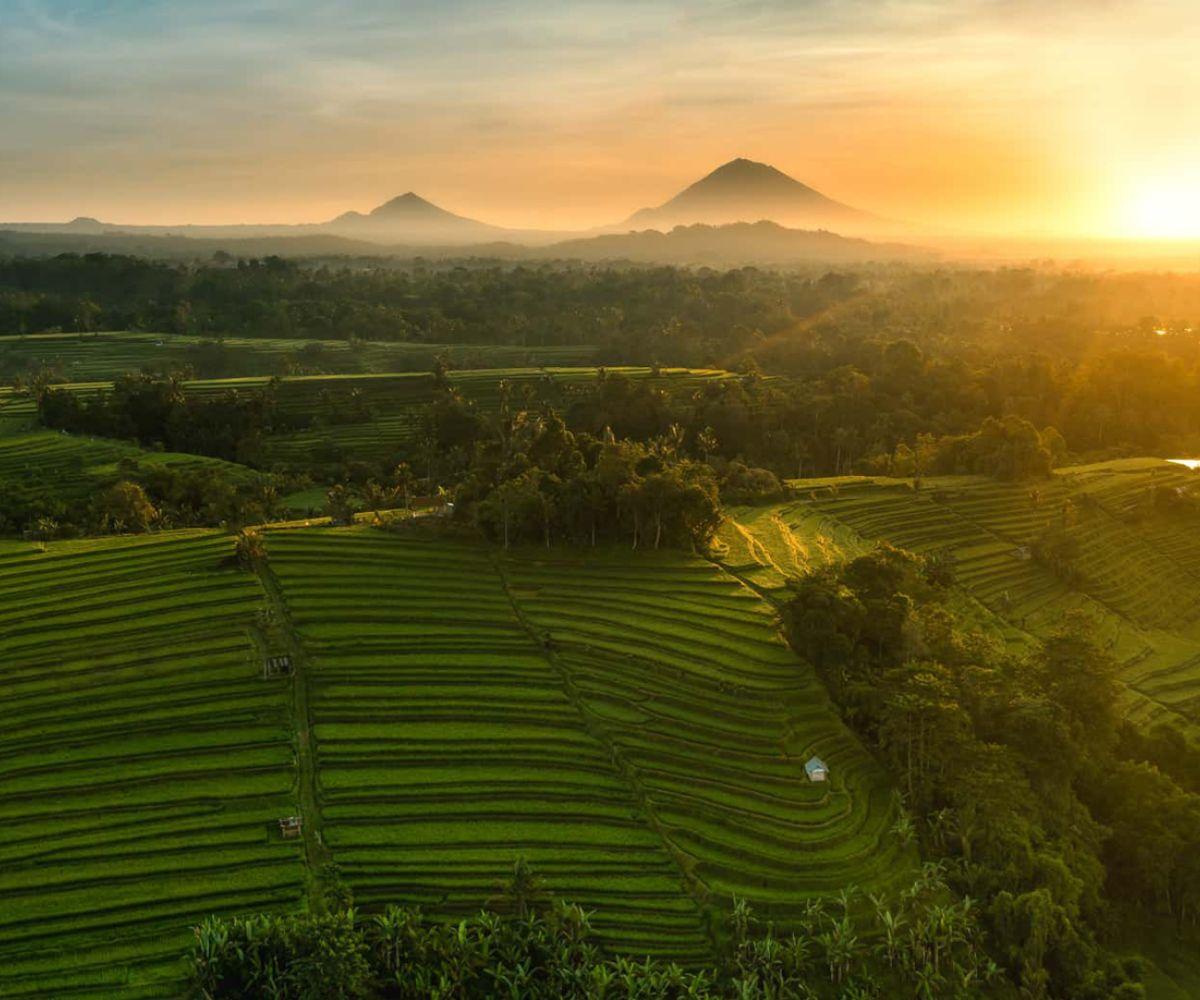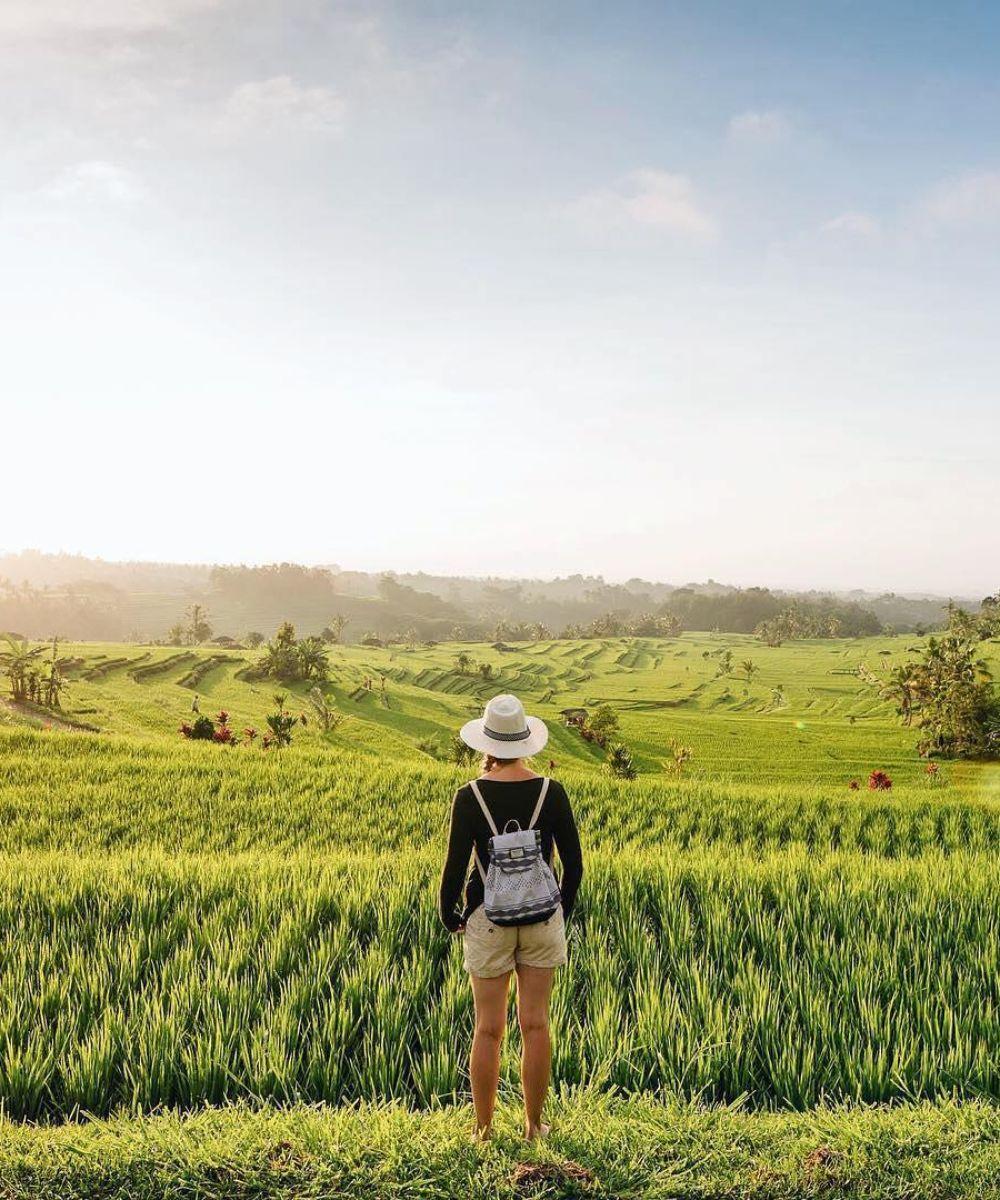
Jatiluwih sits about 35 km from Ubud in Tabanan Regency, at roughly 500-700 m elevation, and its 600+ hectares of Subak-irrigated paddies form part of the landscape UNESCO inscribed in 2012. It is larger and far quieter than Tegallalang. Potato Bali Tours runs a guided day trip with transport, a local trekking guide and lunch included - about 45 minutes to an hour by car with a driver.
Jatiluwih is home to Bali's largest and most spectacular rice terraces - a UNESCO-recognized landscape that's even more impressive than the famous Tegallalang, yet with a fraction of the tourists.
Why Visit Jatiluwih?
- UNESCO World Heritage - Recognized Subak irrigation system
- Largest rice terraces - 600+ hectares of paddies
- Less crowded - Unlike Tegallalang, you can find peace here
- Authentic experience - Traditional farming communities
- Cool climate - Highland air at 600m elevation
About Jatant
Location: Tabanan Regency, about 35km from Ubud Elevation: 500-700 meters above sea level Size: Over 600 hectares of rice terraces Recognition: UNESCO World Heritage Site (2012) Specialty: Traditional Balinese agriculture with organic practices
Getting There from Ubud
By Scooter (Recommended)
- Distance: ~35 km
- Time: 1-1.5 hours
- Route: Ubud → Tegallalang → Pupuan → Jatiluwih
- Pros: Flexibility, scenic back roads
- Cons: Steep, winding roads
By Car with Driver
- Distance: Same
- Time: 45 min - 1 hour
- Pros: Comfortable, air-conditioned
- Cons: More expensive, less flexible
By Organized Tour
- Includes: Transport, guide, sometimes lunch
- Pros: Educational, Hassle-free
- Cons: Less flexibility
Best Route Through Jatiluwih
The Scenic Loop
The best way to explore is via the back road loop:
- Start at Penelokan - Classic Mount Batur viewpoint
- Turn toward Jatiluwih - Take the winding road down
- Stop at each viewpoint - Multiple photo spots
- Visit the main temple - Pura Luhurwatukaro
- Stop at local warungs - Fresh food with views
- Continue to Batur - Or return to Ubud
Distance Markers
- Ubud → Penelokan: 25 km
- Penelokan → Jatiluwih center: 10 km
- Jatiluwih → Batur: 15 km
- Batur → Ubud (via back road): 30 km
Top Stops & Viewpoints
1. Main Jatiluwih Viewpoint
The classic vista:
- Large parking area
- Warungs and stalls
- Good for first-timers
- Toilets available
2. Back Road Viewpoints
The hidden gems:
- Less obvious stops
- Often completely empty
- Just pull over and enjoy
- Best for photography
3. Pura Luhurwatukaro Temple
The sacred stop:
- Small temple at high point
- Peaceful setting
- Traditional architecture
- No crowds usually
4. Local Farming Villages
The authentic experience:
- Watch farmers in fields
- See traditional irrigation
- Meet friendly locals
- Real Bali life
Activities in Jatiluwih
Rice Terrace Trekking
The best way to explore:
- Walk the narrow paths between paddies
- Different routes from 1-4 hours
- Hire local guide for better experience
- Visit during planting or harvest season
Trek Details:
- Duration: 2-4 hours
- Difficulty: Easy to moderate
- Best: Morning for light
Cycling
For the adventurous:
- Downhill from Jatiluwih to sea level
- 25-30 km mostly downhill
- Scenic villages and rice fields
- Various tour operators offer this
Photography
For shutterbugs:
- Golden hour over rice fields
- Farmers at work
- Traditional irrigation channels
- Misty morning scenes
Best Time to Visit
Time of Day
- Morning (8-11 AM) - Best light, mist rising
- Afternoon (2-4 PM) - Good for golden hour
- Sunset - Beautiful but watch time for return
Season
- Planting Season (Nov-March) - Green seedlings, water reflections
- Growing Season (April-July) - Lush green paddies
- Harvest Season (July-September) - Golden rice, thatched barns
What to Bring
Essentials
- Comfortable walking shoes
- Sun protection
- Water bottle
- Camera
- Cash for parking and tips
- Sarong (for temple)
Nice to Have
- Binoculars (for bird watching)
- Picnic lunch (find a quiet spot)
- Field guide (for plant/bird identification)
- Small backpack for trek
Local Warungs & Food
Warungs with Views
- Warung Dodi - Famous for rice field views
- Local stalls at main viewpoint - Simple, cheap, good food
- Pura Luhurwatukaro附近 - Small family-run places
Must Try
- Nasi campur - Rice with vegetables
- Lawar - Mixed vegetable dish
- Fresh coconut - From local trees
- Bamboo rice - Special local preparation
Combining with Nearby Attractions
Full Day Itinerary
Morning:
- 08:00 - Leave Ubud
- 09:00 - Arrive Jatiluwih
- 09:00-11:00 - Trek and explore
- 11:30 - Lunch at local warung
Afternoon:
- 13:00 - Visit Batukaru Temple
- 14:30 - Stop at botanical garden (optional)
- 15:30 - Coffee plantation on way back
- 16:30 - Arrive Ubud
Alternative Routes
Via Bedugul:
- Jatiluwih → Lake Bratan → Botanical Garden → Singaraja
Via South:
- Jatiluwih → Balinese cooking class → Tanah Lot sunset
Costs & Fees
Entrance/Parking
Entrance and parking are arranged by your guide on the day.
Guide
A local guide leads the trek and is included in the package.
Food
Lunch at Gong Jatiluwih is included in the package.
Important Tips
Safety
- Roads are steep and winding - drive carefully
- Watch for oncoming traffic
- Stay on marked paths during treks
- Don't enter paddies without permission
Cultural Respect
- Ask before photographing farmers
- Don't disturb sacred offerings
- Stay on paths to protect crops
- Support local by buying local
Environment
- Don't leave trash
- Use refillable water bottle
- Support organic farming practices
- Avoid single-use plastics
Conclusion
A day trip from Ubud to Jatiluwih offers one of Bali's most authentic and beautiful experiences. Skip the crowded spots and discover why these ancient rice terraces are UNESCO-recognized.
Planning your Jatiluwih adventure?
Contact Potato Bali Tours for guided day trips!
Contact: WhatsApp +62 851 7516 3718 Email: [email protected]
Frequently asked questions
How far is Jatiluwih from Ubud and how long does the drive take?
Roughly 35 km, in Tabanan Regency on the far side of the Sleeping Giant range. By car with a driver it takes about 45 minutes to an hour, and the usual road out of Ubud runs through Tegallalang and Pupuan. On a scooter it is around an hour and a half, with steep, winding back roads that reward you with views but demand care. Many visitors instead book an organised day trip so the driving, guiding and lunch are handled in one go.
Why is Jatiluwih so much quieter than Tegallalang?
Because it is far larger and spread over a wide valley, while the famous Tegallalang entrance funnels visitors into a narrow strip of terraces and a tight cluster of swing and photo operators. Jatiluwih covers more than 600 hectares of paddies, so the crowds spread out across many separate viewpoints. Most people who arrive only walk a short distance from the main car park, which means the back roads and the fields beyond are often left to almost nobody.
Is Jatiluwih a UNESCO World Heritage Site?
Yes, in the sense that it is part of a UNESCO-listed cultural landscape. Bali's Subak irrigation system was inscribed on the World Heritage List in 2012, and Jatiluwih is one of the standout subak landscapes it covers. The recognition is for the whole living system - the water temples, the farmer cooperatives and the terraced fields together - rather than for one viewpoint. That is why the site keeps working the way it has for centuries.
How long does the rice terrace trek at Jatiluwih take?
There are several lengths. A short walk of around 30 minutes to an hour runs along the main, well-defined paths and suits families or anyone in a hurry. A moderate trek of two to three hours goes deeper into the terraces, along narrower paths, across small streams and through working farmland, and a guide is recommended. Longer treks of four to six hours link several villages and the remoter northern areas, where a local guide is essential.
What is the best time of year to visit Jatiluwih?
It depends on what you want to photograph. From November to March is the planting season, with bright green seedlings and mirror-like water in the paddies. From April into the growing season the fields are lush green. From July to September it is harvest season, with golden rice, thatched drying barns and farmers working the terraces. Mornings are generally the best light of the day, with mist rising out of the valleys.
What do I need to bring to Jatiluwih?
Comfortable walking shoes for the terrace paths, sun protection, a refillable water bottle and cash for parking and tips. Bring a sarong if you plan to visit Pura Luhurwatukaro, the small temple at the high point of the terraces. A small backpack for the trek, some snacks, and a rain jacket are sensible, since the weather in the highlands changes faster than at the coast.
Can I cycle or ride down from Jatiluwih to the sea?
Yes. Cycling is the other classic way to experience Jatiluwih, and the route that gets used is a long downhill run - roughly 25 to 30 km, mostly descending from the terraces towards sea level. It passes through villages and rice fields on quiet back roads, and several operators run it as a guided half-day with a pickup at the bottom. It suits riders with some confidence on descents, not beginners on a first day in Bali.
What else can I combine with a Jatiluwih day trip?
The scenic loop from Ubud runs through Penelokan, the classic Mount Batur viewpoint, and down into Jatiluwih itself, so both fit comfortably into one day. Add the nearby Batukaru temple, a coffee plantation stop on the way back, or a detour via Bedugul to Lake Bratan and the botanical garden. Many visitors chain Jatiluwih with a Balinese cooking class or a Tanah Lot sunset on the same route.
Send us your group and we will build the day
Tell us how many people are travelling, whether you want the guided trek, and which stops you would like on the way out or back. We will confirm the route, the guide and the current rate.
Tours to try in Bali
The tours we run ourselves, straight from the catalogue. Pay on arrival, free cancellation, and a WhatsApp reply within the hour.